Starring: Paul Newman, Robert Redford, Katharine Ross, Strother Martin, Cloris Leachman, George Furth
Year: 1969
Runtime: 1h 50min
Remember our ongoing series of discovering we enjoy westerns a lot more than we thought we did? Here’s another entry! To be fair, this one we knew we liked – we’ve seen it several times before, and we’re pretty sure our dad had it recorded from TV when we were growing up. It’s been about 20 years since our last rewatch though, so we were pleasantly surprised by how good it actually is!
In fact, we were blown away! Hah! We’ll see ourselves out…
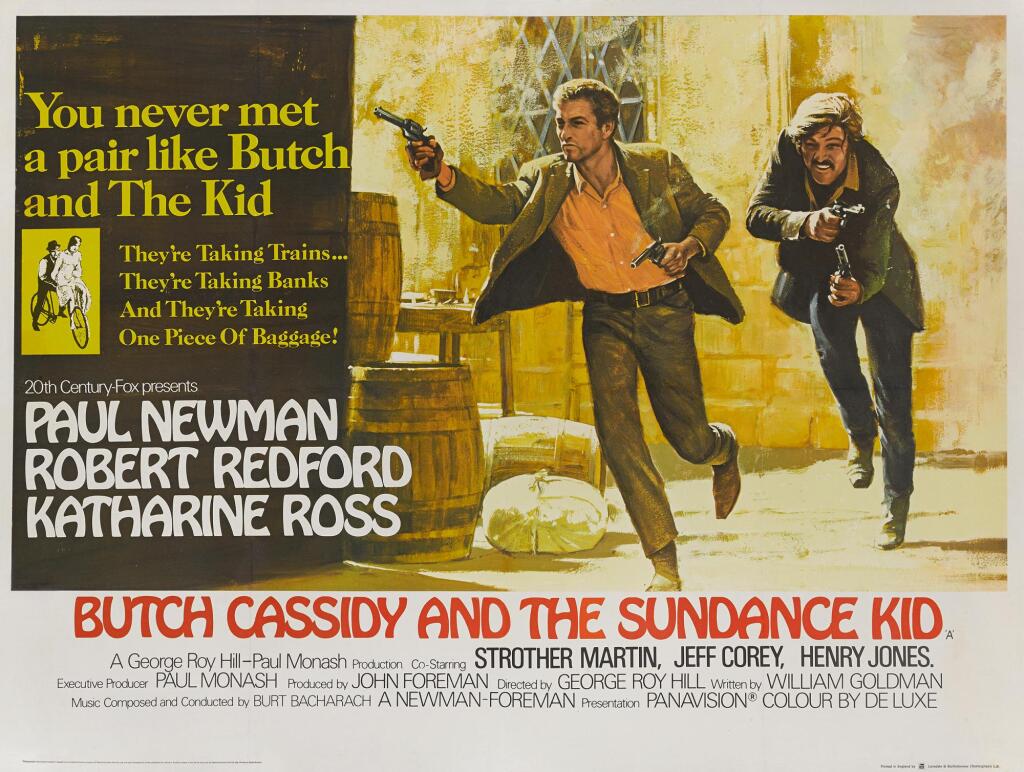
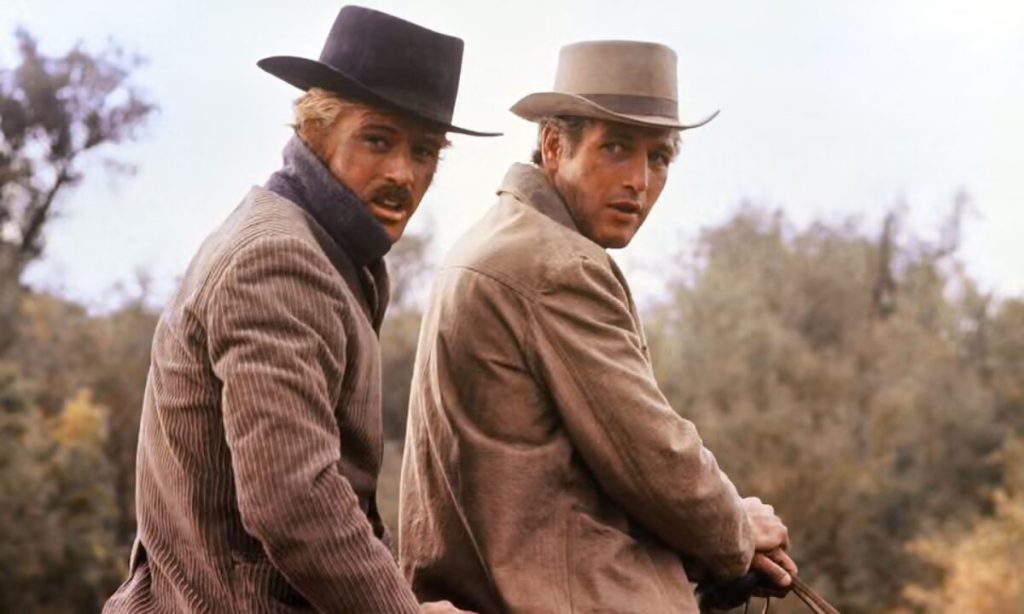
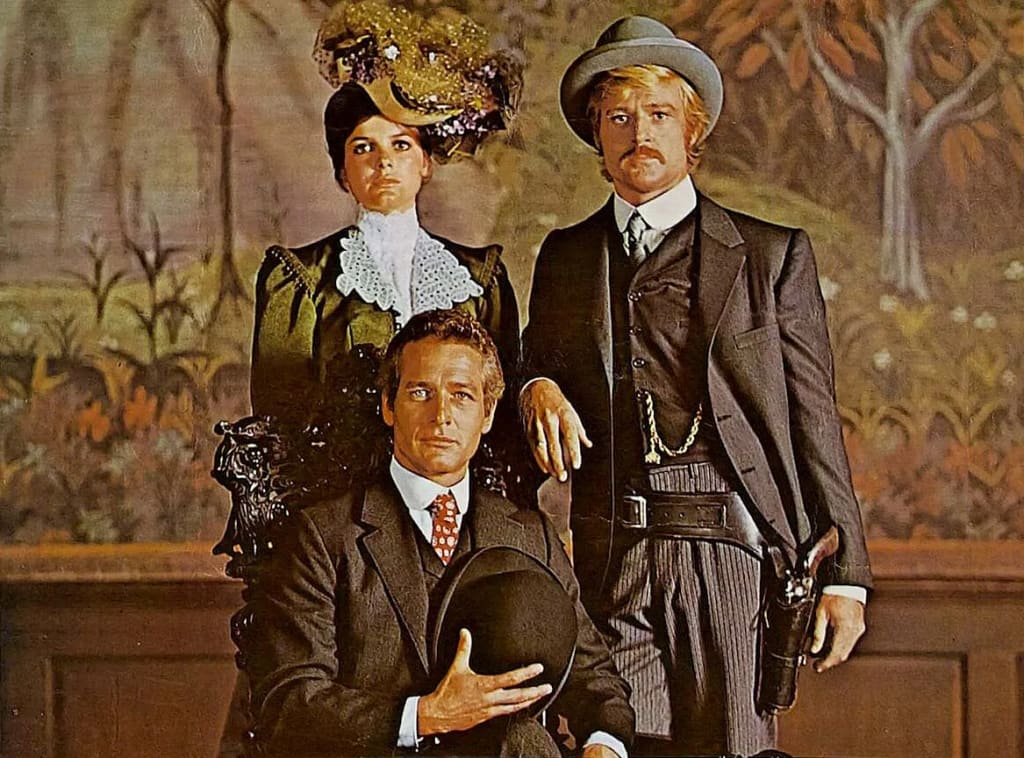
Butch Cassidy (Newman) is the leader of the infamous Hole in the Wall-gang, a group of outlaws who rob things. Trains, banks, you name it! His position as leader is supported by his bff, sharpshooter Sundance Kid (Redford), made evident when another gang member tries to usurp control.
Cowboys who ride together, chide together! Or something…
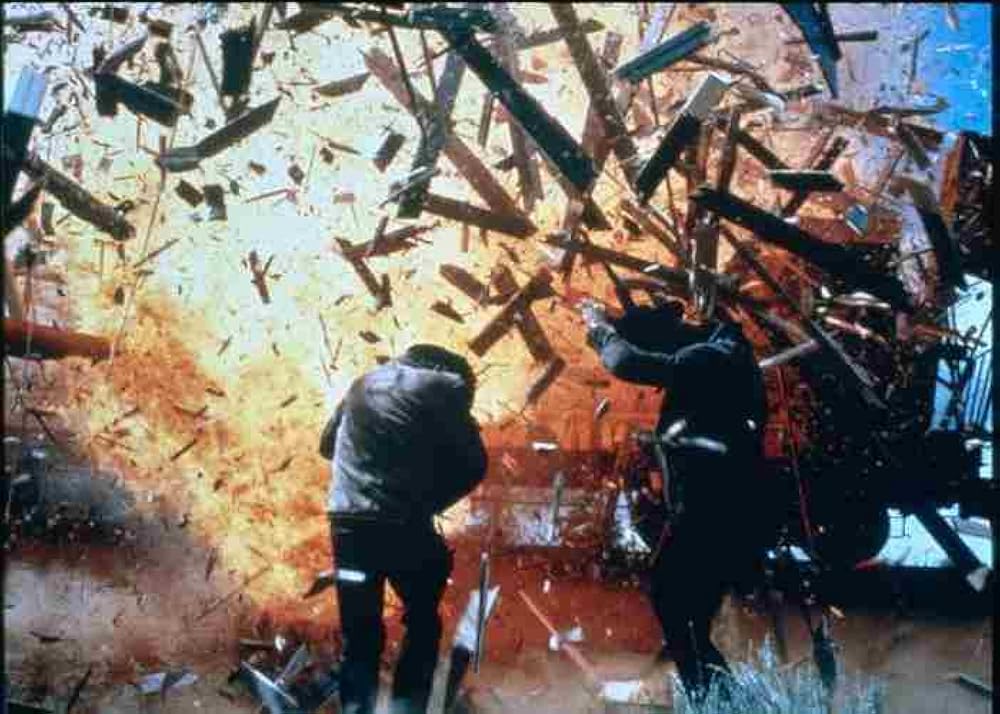
After a successful (and very polite) train robbery (shoutout to our man Woodcock!), the pair get reckless and decide to go for a second one. With way too much dynamite (another shoutout to our man Woodcock!). However, by this point the authorities and E. H. Harriman of the Pacific Railroad have had enough and hired an elite group of trackers and hunters to ambush and kill the gang. So Butch and Kid must go on the run – they pick up Kid’s girlfriend Etta Place (Ross), and decide to go to Bolivia. Pretty much on a whim.
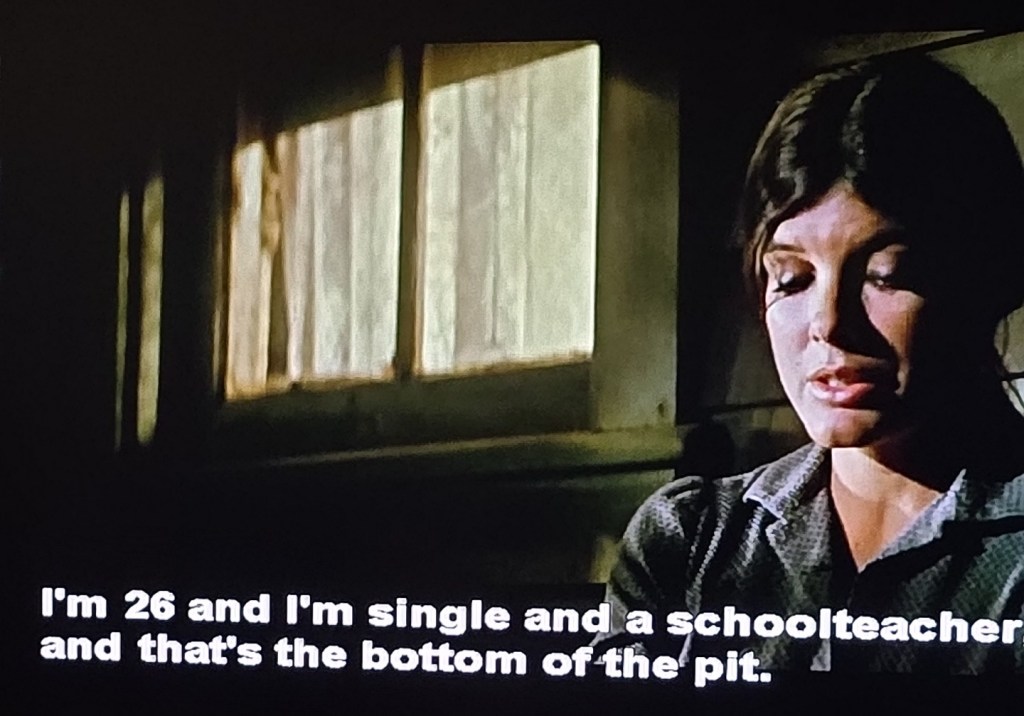
Etta’s reasoning for joining them. I have never felt more personally attacked by a movie character in my entire life…
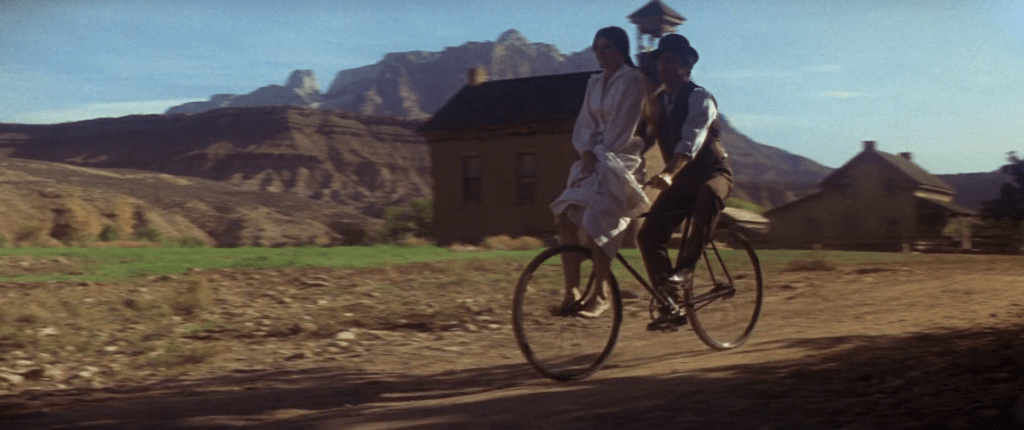
Butch Cassidy and the Sundance Kid is fantastic! We love the relationship and banter between the two leads, the myriad of entertaining side characters, the projection opening, the use of sepia, the montages, the soundtrack, the bicycle salesman, how Etta’s hats kept growing, Butch’s committment to giving sex workers orgasms, and Woodcock. The movie is very funny, very charming, and filled with excitement and adventure. It is easy to root for the outlaws despite them being criminals – in addition to their charm they are mostly nice, polite and non-violent in their interactions with their victims.
Her hat has not yet even reached its final form
We are left with some questions though: 1: How do you ride DOWN to La Paz? 2: Where is the line between a couple plus one of their best friends, and a throuple? And how (un)healthy is it to be kind of indifferent to which person in a friend group you actually date? (This miiiight go for all three of them) 3: Who are those guys?
And why leave the bicycle behind?
What we learned: Swimming lessons save lives! As do Spanish lessons. So always bring a teacher along when you go on adventures.
Starring: Jean-Louis Trintignant, Klaus Kinski, Vonetta McGee, Frank Wolff, Luigi Pistilli, Mario Brega, Marisa Merlini, Carlo D’Angelo
Year: 1968
Runtime: 1h 45min
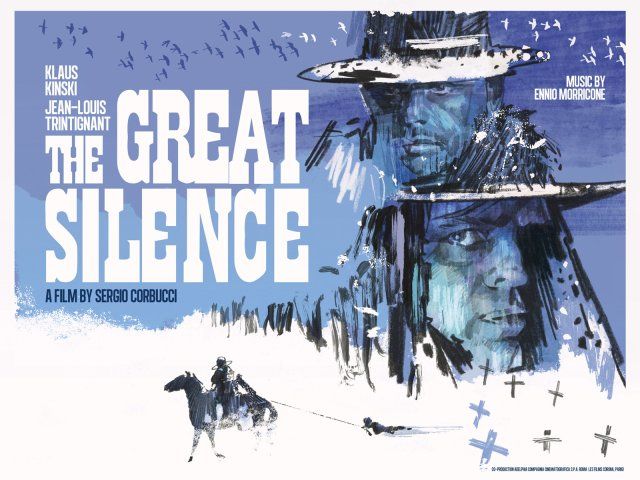
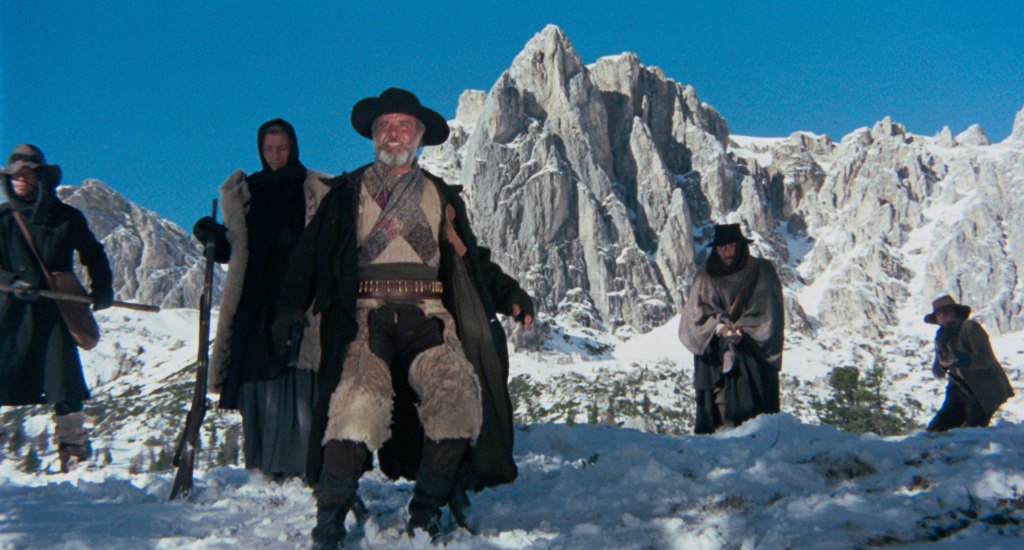
Snow. Horse, Rider. Norway? (Probably not, but looks like our landscape.) Crows. Shootout. Blood. Death. So starts The Great Silence. The eponymous Silence (Trintignant) is a mute gunman who makes bounty hunters tremble with fear. This (un)lucky Luke draws faster than his own shadow (well, at least faster than anyone else’s shadow), and his method is simple: be an annoying bitch until the other person gets fed up and draws their gun, and then kill them before they can pull the trigger. Thus, he only acts in self-defense and is completely within his rights to kill.
Way to hack the system, Silenzio!
The society in which Silence/Silenzio (we’ve heard it both ways) operates is run by corrupt politicians, greedy business owners and ruthless bounty hunters who prey on the little people. The worst one is Pollicut (Pistilli) – a banker and Justice of the Peace who uses his seemingly infinite (but very local) power to be a cunt to everyone and kill the guys who own things he covets, or who he simply doesn’t like. Of which there are many.
He wants their land, their houses and often their wives. And he will literally cut children’s throats in order to get what he wants. Among his many sins, that sorry excuse for a “beard” also ranks in the top three…
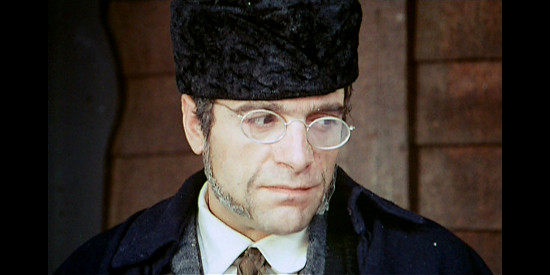
As a result of Pollicut’s greed and corruption, as well as problems caused by a severe blizzard, the people of Snow Hill are having a really bad time of it, and many are forced to turn to crime in order to feed their families. Pollicut uses these circumstances to make them outlaws and to place prices on their heads in order to take over their property. This attracts bounty hunters, chief among them being “Loco” (Kinski). He is, as the name suggests, utterly Loco. And racist. And a psychopath. And just an all ’round bad guy.
But his headgear game is on point
The women of this ravaged community, mainly newly widowed Pauline (McGee), hire Silence to defend them and help/avenge their sons/fathers/husbands, most of whom are either already dead or LARPing Robin Hood and his Merry Men in the woods surrounding Snow Hill.
In fact, let us talk about the name “Snow Hill.” Who came up with that name? Is it also called that in summer? Is this place perpetually snowy? In which case, why would anyone settle there? (OK, we realise that this is probably a bit rich coming from a couple of Norwegians. Nevertheless, we feel these questions are justified. The public needs to know!)
Enter player five, newly appointed sheriff Gideon Burnett (Wolff). From the start, he seems a decent enough guy, which is a rarity in this town. His mission is to restore order in Snow Hill before the governor declares amnesty on the merry men of the forest (and by “merry,” we mean “miserable” and “starving”). He is basically the only character in this entire movie who both operates within the law and does the right thing. Will his and Silenzio’s efforts be enough to save the town?
Look at this jovial face and icy ‘stache! Clearly one of the good guys.
We are enjoying the westerns a lot more than we thought we would when we started this project. We grew up watching some of them as our dad was a western fan, but it was never really “our” genre. However, each one we’ve watched so far has been incredibly engaging, and there’s so much interesting social commentary within them. For us, The Great Silence ranks as one of the best ones so far.
🎵 The hills are aliiiiive… With the sound of outlaaaaws 🎶
First off, we loved the women in this. From the bereaved mother who first asks for Silenzio’s help, via Pauline, to Regina (Merlini), they are bad ass, capable and vengeful – exactly how we like our female characters. We also loved sheriff Burnett, Silence’s method of being a little bitch until people try to kill you, the costumes, the snow, and the portrayal of people dealing with corruption and greed. As in a lot of westerns, on the surface it’s very easy to tell the bad guys from the good guys – there are no doubts about who we’re supposed to root for. But at the same time, the bad guys’ actions are “all according to the law,” which poses some interesting philosophical quandaries about laws and morality, and makes this a movie which is frighteningly topical and current…
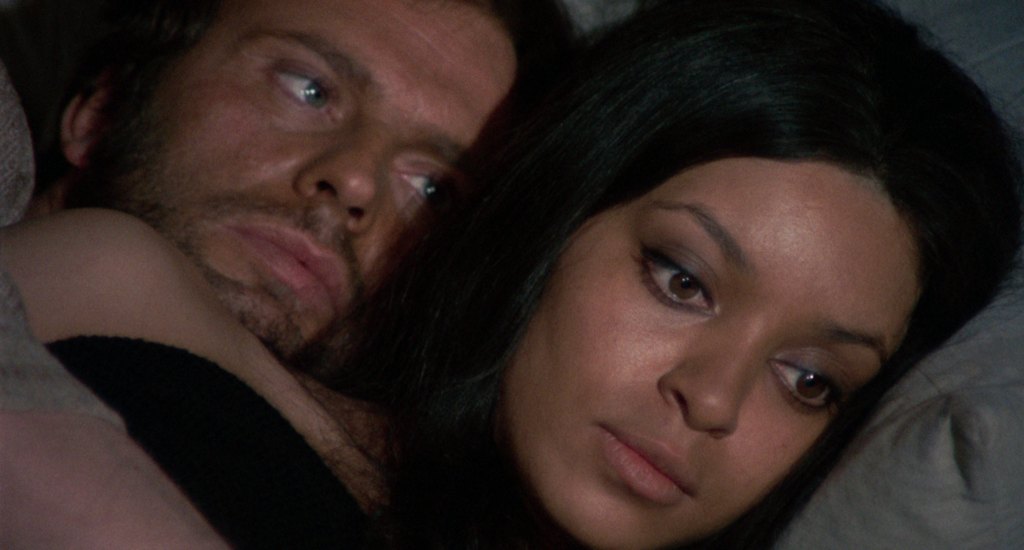
They also managed to throw in a bit of (interracial) romance, so we’re pretty sure everyone can find something they enjoy in this film. Well, good people can, at least.
By the way, without spoiling the ending too much (we hope… You can wait to read the rest of this until you’ve seen the film if you want absolutely no hint of a spoiler), if you have the DVD/Blu-Ray version of this movie, we recommend you also watch the alternate ending which you can find as a bonus. It is the most ridiculously over-the-top happy denoument we’ve ever seen, and we got the strong feeling that this was filmed as a sort of mutinous “fuck you” to people who thought the original finale was too bleak…
Side note: we felt really bad for all the horses forced to struggle through the snow throughout. That looked like really hard work.
What we learned: The law is not always right. There is no such thing as an ethical billionaire. And sometimes the bad guys win…
MVP: Whoever made all those shawls. Or Klaus Kinski. Also, shoutout to our boy Ennio Morricone!
Starring: Claudia Cardinale, Henry Fonda, Charles Bronson, Jason Robards, Harmonica’s harmonica
Year: 1968
Runtime: 2h 45min
Mrs McBain (the recently departed Claudia Cardinale) arrives in Utah to find her brand spanking new husband and stepchildren dead. The main suspect: notorious local bandit Cheyenne (Robards). But is he being framed? Other dodgy characters in this classic western include drama queen Harmonica (Bronson) and gun-for-hire Frank (Fonda).
Claudia Cardinale in all her glory. We seem to remember enjoying her character immensely!
So, full disclosure: we watched this over two years ago, but then never got around to actually writing the blog while it was still fresh in our minds. And now, due to everything leading to us taking a hiatus from the list in the first place, we have a little bit of amnesia. We did, however, take notes while watching it! Thus, we present to you: Our Impressions Of And Thoughts On The Film Based On Cryptic Notes Written Two Years Ago (or OIOATOTFBOCNWTYA for short):
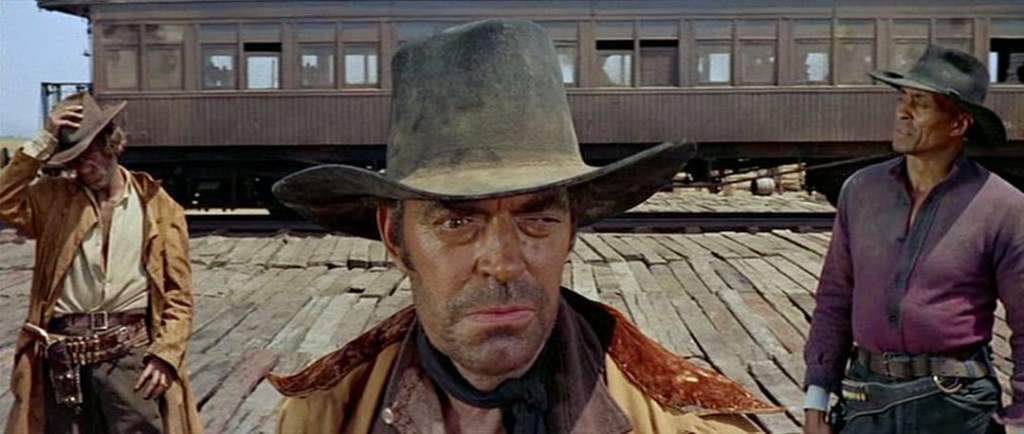
Pictured: characters from the film. About 99% sure that’s Henry Fonda up front. And they definitely look like the bad guys, so that tracks. Probably about to do some serious mischief.
Very good at creating tension! (we’re pretty sure we’re talking about Leone here)
Love when people make their own soundtrack! (referring to Harmonica, probably?)
#Harmonica4Lyfe! Such a drama queen. Love!
Absolutely love the “vastness” of the production – epic scale. Good world building.
He (probably Leone again) just loooooooves people staring at each other.
Beautiful, epic, suspenseful and possibly a tiiiiiny bit too long… But hey – if you wanna be dramatic about it and make an absolute epic, you go girl! (We guess we’re referring to Leone here as well…)
Harmonica doing god’s work providing (more or less) appropriate ambient sound to a dramatic scene. Again, we suspect that’s what’s going on based on vague, watercolour memories.
With the notable exception of the Lord of the Rings-movies, very few films need to clock in at almost three hours…But this stays interesting and engaging throughout, so it kind of pulls it off.
So. Much. Staring.
Ok, even on Blu-Ray, film is definitely different from digital. The texture of this! Hard to describe… It feels substantial and kind of gritty.
Was this movie sponsored by the oil industry? The car industry? Never seen so much vilifying of railways.
Sometimes it’s best to just stay a single, rich widow.
“I know you’re developing some Stockholm syndrome feelings for me, but I’m saving all my sexual tension for my new best bud Cheyenne. Besides, Clark Olofsson won’t be born for half a century yet, so I don’t even know what Stockholm syndrome is.”
What we learned: Never trust Big Railway™
MVP: Ennio Morricone, Cheyenne and Harmonica’s harmonica.
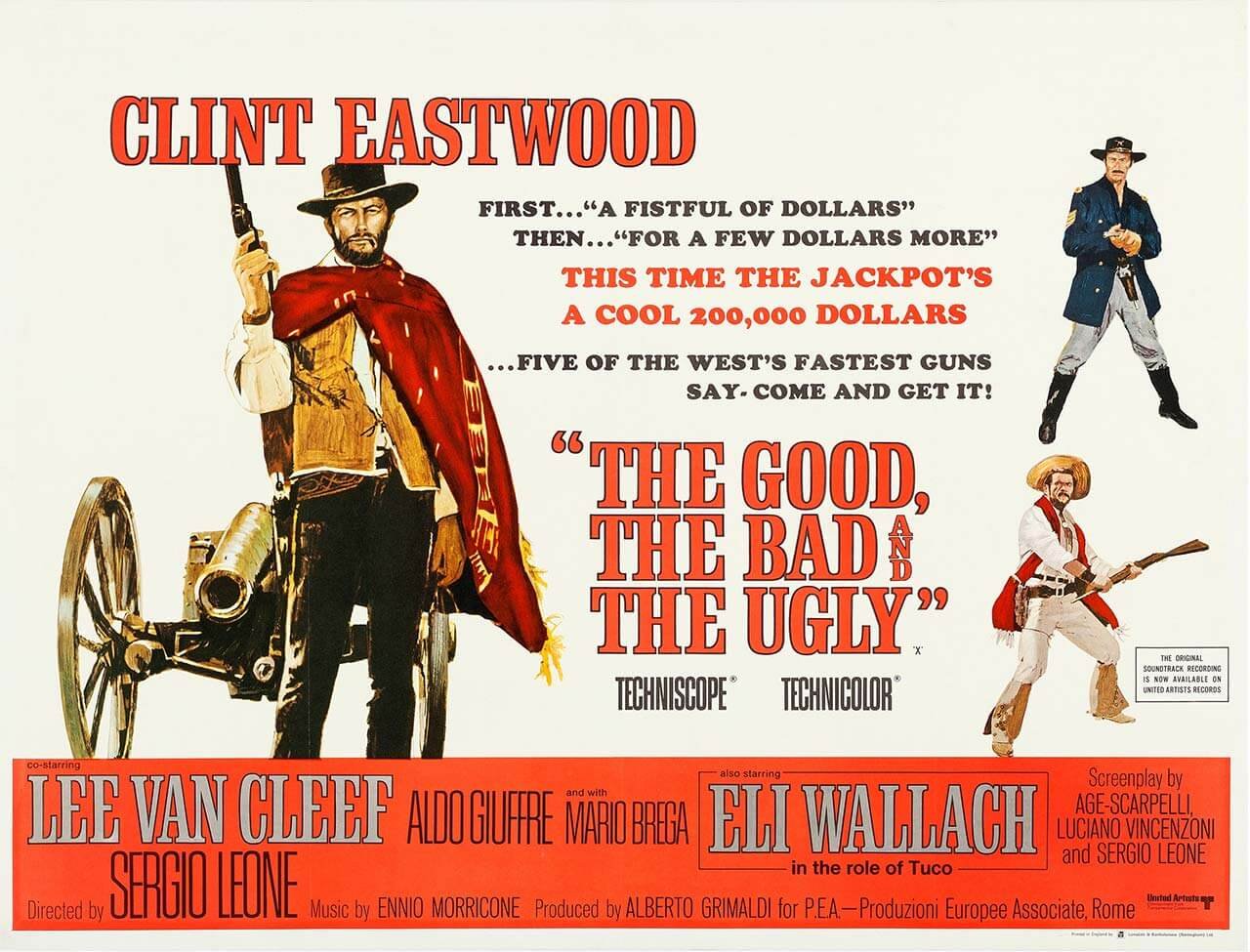
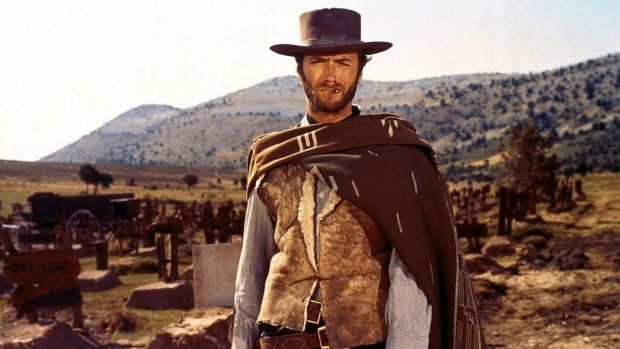
Blondie (Eastwood) and Tuco (Wallach), a.k.a. the Good and the Ugly, respectively, have a lovely little scheme going. Blondie hands over Tuco, a wanted man, to the authorities, collects the reward, then frees his partner just as he is about to be hanged for his crimes.
While they’re doing their thing and occasionally backstabbing each other for cash, Sentenza (Cleef), a.k.a. Angel Eyes a.k.a. the Bad, is a gun for hire who by accident learns about $200 000 hidden somewhere and goes off in search of a good pay day.
Eventually, during another attempt at killing each other, Blondie and Tuco also learn of the money, and since they both hold some information about its location, they must stick together in order to claim their reward. Oh, and the American Civil War is also in full swing around them.
Yodle-odle-ooooo! Wah-WAH-waaah…
The Good, The Bad and The Ugly might be the most famous Western in the world, and it certainly delivers. There’s dust, tumbleweed, weatherbeaten clothes, weatherbeaten men, weatherbeaten horses and donkeys, and lots of beautiful landscapes filled with cacti.
Yodle-odle-ooooo! Wah-wah-WAAH!
It’s beautiful, intriguing, exciting, funny, tense, occasionally horrific, and thoroughly entertaining, even at three hours long. Ennio Morricone’s score alone is worth the time, and we love how Sergio Leone was not scared of making three hour epics and telling complex stories. If you’re only going to watch one Western in your life, this should be it. Although why on earth would you only watch one Western? They’re amazing!
Yodle-ooAAH! WAH-wa-wa-wa…
What we learned: Never have a bath without a gun. Also, you’ll never get rid of this earworm…
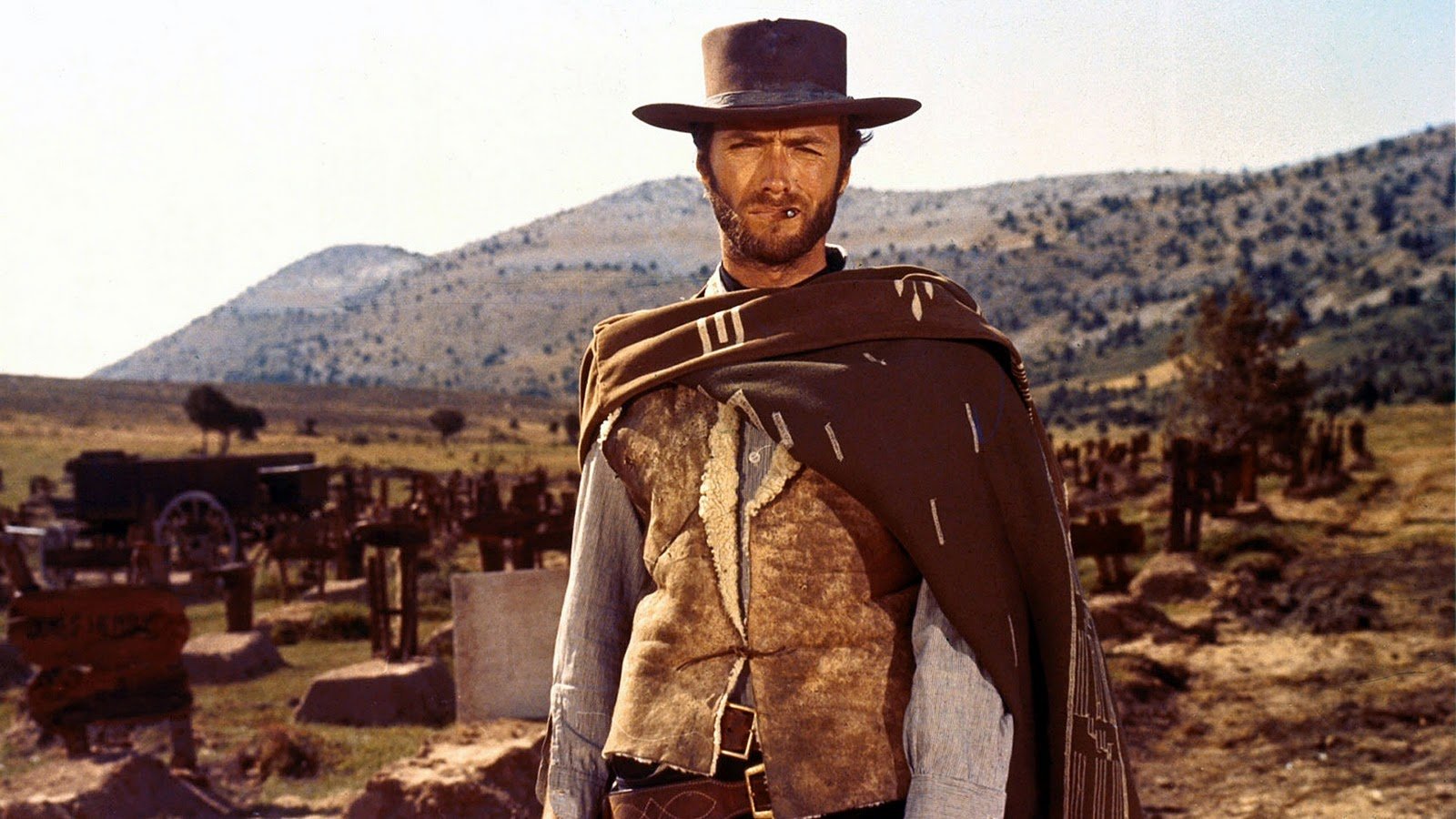
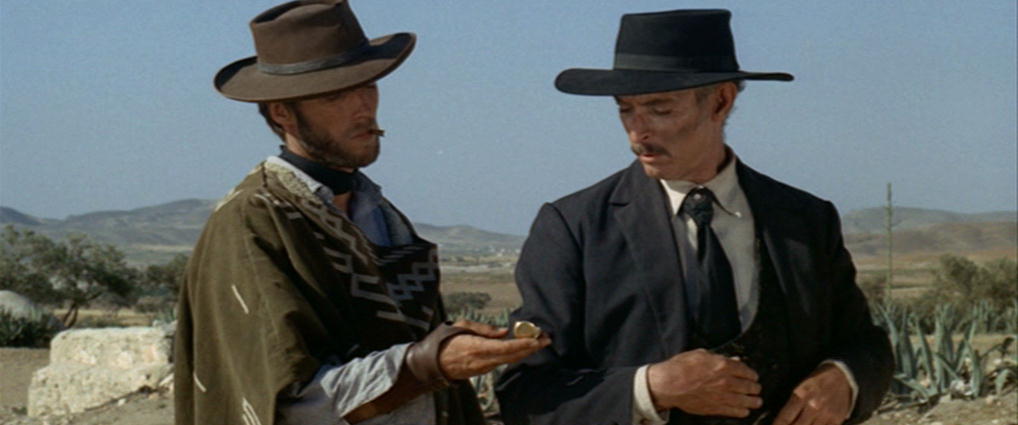
The Man with No Name (Eastwood), a.k.a. Manco or Monco (so… The Man with Potentially Several Names then..?) is now a professional bounty killer, roaming the wild west looking for bad guys to kill. For money, obviously. He’s not a complete psycho. He is not alone in this noble pursuit though – The Man in Black (van Cleef), a.k.a. Colonel Douglas Mortimer is a formidable rival.
“Let’s make a deal. Whoever kills the most bad guys gets to wear the poncho for a day!”
Notorious criminal El Indio (Volontè) escapes from jail and reunites with his followers whom he preaches to about carpenters from a pulpit… Seems like an oddly familiar pastime. Manco/Monco/TMWPSN and Mortimer alpha off and then join forces to stop El Indio’s evil bank robbing plans.
“My name is El Indio, and these are my ten discipl… eh, gang members.”
The Man with No Name goes undercover in the gang, and then gets into hot water – quite literally as they ride to Agua Caliente, the unfriendliest town in the west. But who will outwit whom? What is the significance of El Indio’s pocketwatch and his flashbacks? And who will eventually Über-Alpha the other Alphas and become the one Alpha to rule them all?
The sequel to A Fistful of Dollars, later followed by The Good, the Bad and the Ugly (1966), For a Few Dollars More has everything you could possibly want in a western. Strong, silent men, lots of pregnant pauses and tense silences, a fantastic soundtrack by Ennio Morricone, saloons with easily distracted piano players (is there a union rule that they all have to stop every time a new person enters the room?), hat shooting duels, and lots of violence and horses. What’s not to love?
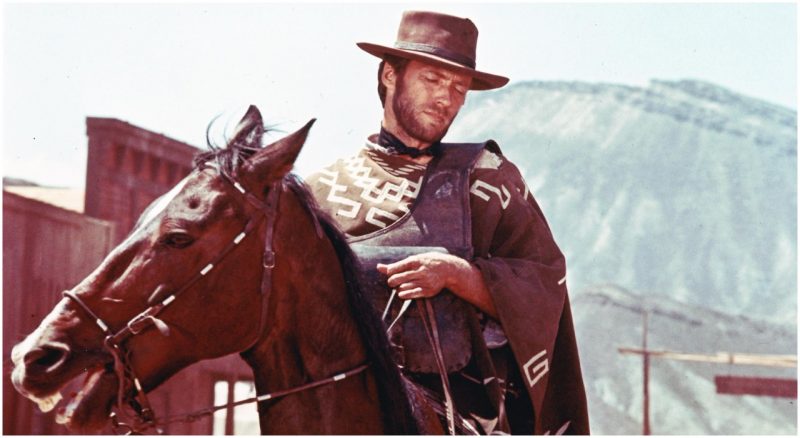
Even The Man with No Name has upgraded from his mule to a proper horse. Well done, you!
We loved Mortimer’s arrival in Tucumcari, Indio’s flashbacks and backstory, the soundtrack, all of Clint Eastwood, the twists and turns, and the tension. Can’t wait for the next one!
“So, we’ll meet up again in 8765 hours for the sequel?” “Sure. Can I play a different character though?” “Well, we can certainly change our names for it if that helps.” “Dammit, I’m in!”
What we learned: Keep your friends close and your frenemies closer. And would it kill you to call your frenemies once in a while..? They might be getting lonely you know.
A lone rider in the Wild West (Eastwood) arrives in a one horse town. On his mule, so he doesn’t accidentally upgrade the town’s status, mind you. He’s very considerate like that. He learns from an innkeeper that the village is plagued by two rival families vying for control, and decides to clean up the town before he moves on.
“Where did you come from, where did you go? Where did you come from Cotton-Eye Joe”
To get rid of the Baxters and the Rojos, the rider (a.k.a. Joe and/or The Man with no Name depending on who you ask. We strongly feel that the first option sort of cancels out the second and vice versa, so we’re very confused) will offer up his services to one family, then to the other, trick them and watch them undo each other. And he will look good doing it, dammit!
Good luck teaching your kids that smoking isn’t cool…
There’s the innkeeper, a coffin maker, a young mother who’s been gambled away in a game of cards, a brutal beating of our hero and a long, secret convalescence before the final showdown. Sound familiar? Akira Kurosawa thought so too…
“So, you mean this is not an original story?” “Well, we’ve added guns, Mexicans, sheep skin vests and the most luscious head of hair this side of the Rio Grande. I think we’re in the clear.”
The story is not just inspired by Kurosawa’s Yojimbo, but a blatant rip-off. Despite that, it is still a great movie in its own right. We love a good spaghetti western as those were the movies we grew up with, so while we still prefer the Japanese original (swords beat guns any day) we really enjoyed revisiting A Fistful of Dollars.
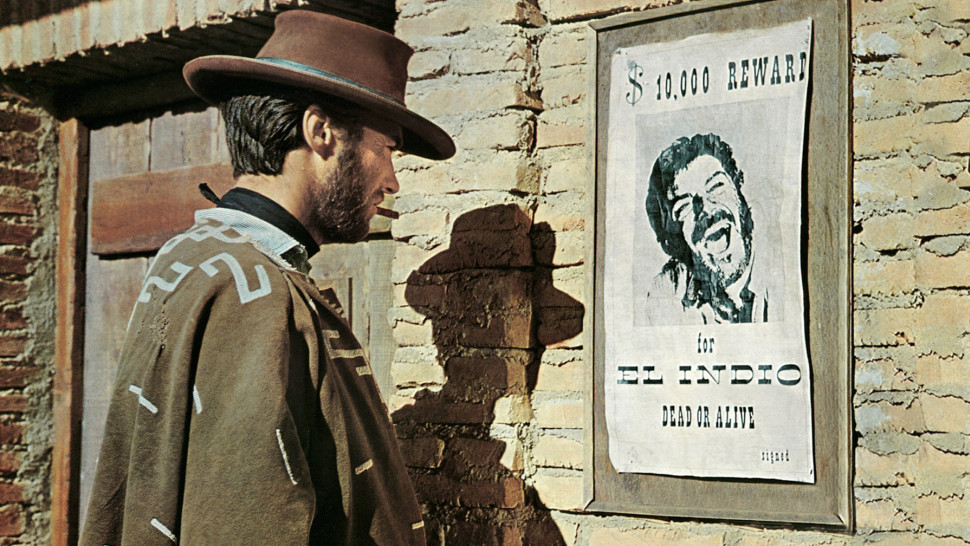
It’s always nice noticing new details, such as how ridiculously happy “El Indio” is to be on a wanted poster
We adored the young Clint Eastwood (and his luscious, luscious hair), his poncho, the noose when he rides into town, the weatherbeaten faces of the townspeople (although we think Kurosawa did even that a bit better), the dubbing, the soundtrack (by Ennio Morricone of course), and the finale. Such fun!
“Oh man, the only thing that could have possibly improved this is replacing guns with swords. Can you imagine how good that movie would have been..?”
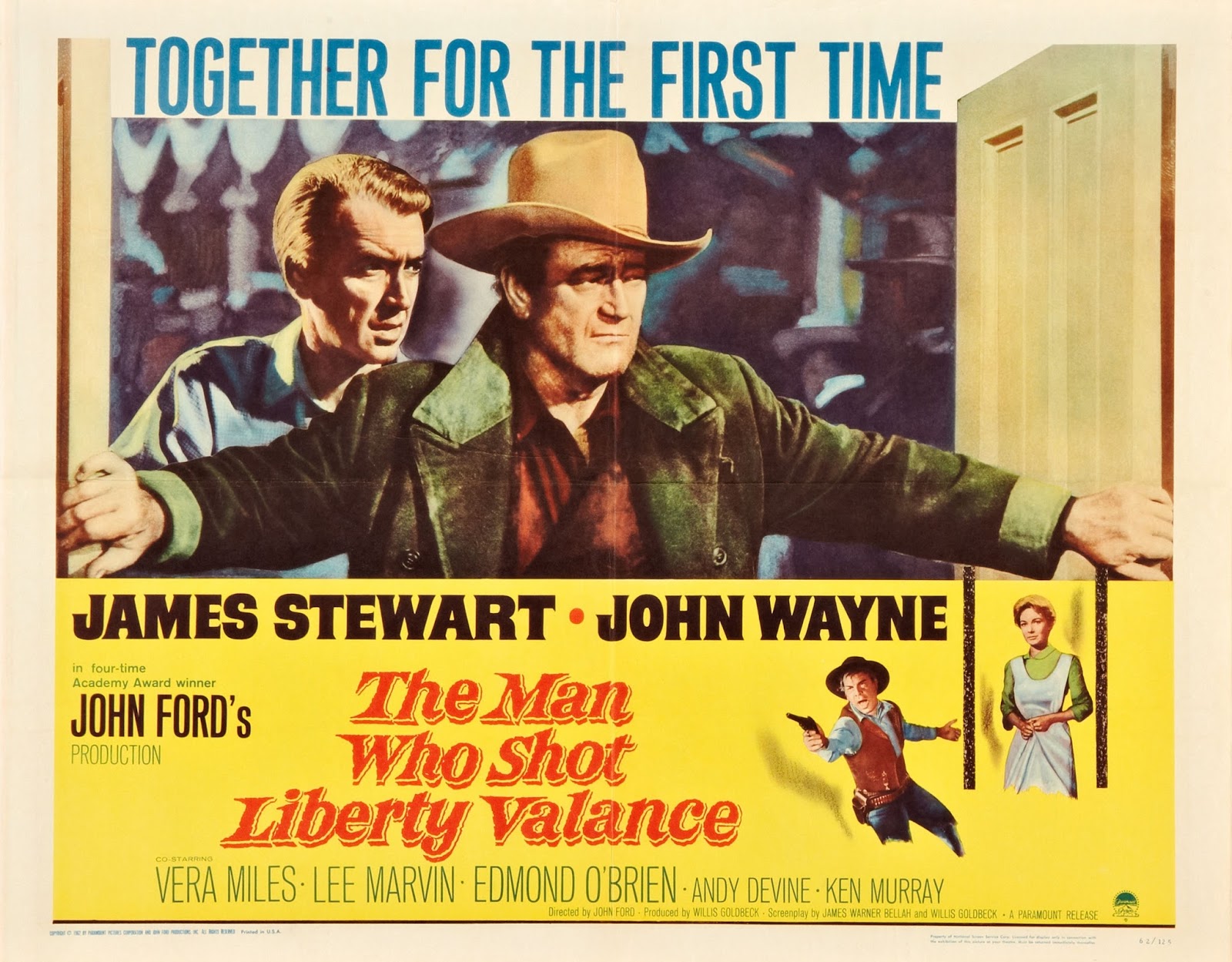
Shinbone, somewhere in the Wild West. Senator Ransom Stoddard (Stewart) and his wife Hallie (Miles) arrive to attend the funeral of old friend and town loner Tom Doniphon (Wayne). Together with former sheriff Link Appleyard (Devine), they recount to reporters the reason they returned to pay their last respects to Doniphon.
“That man could grow a cactus like no one I ever met.”
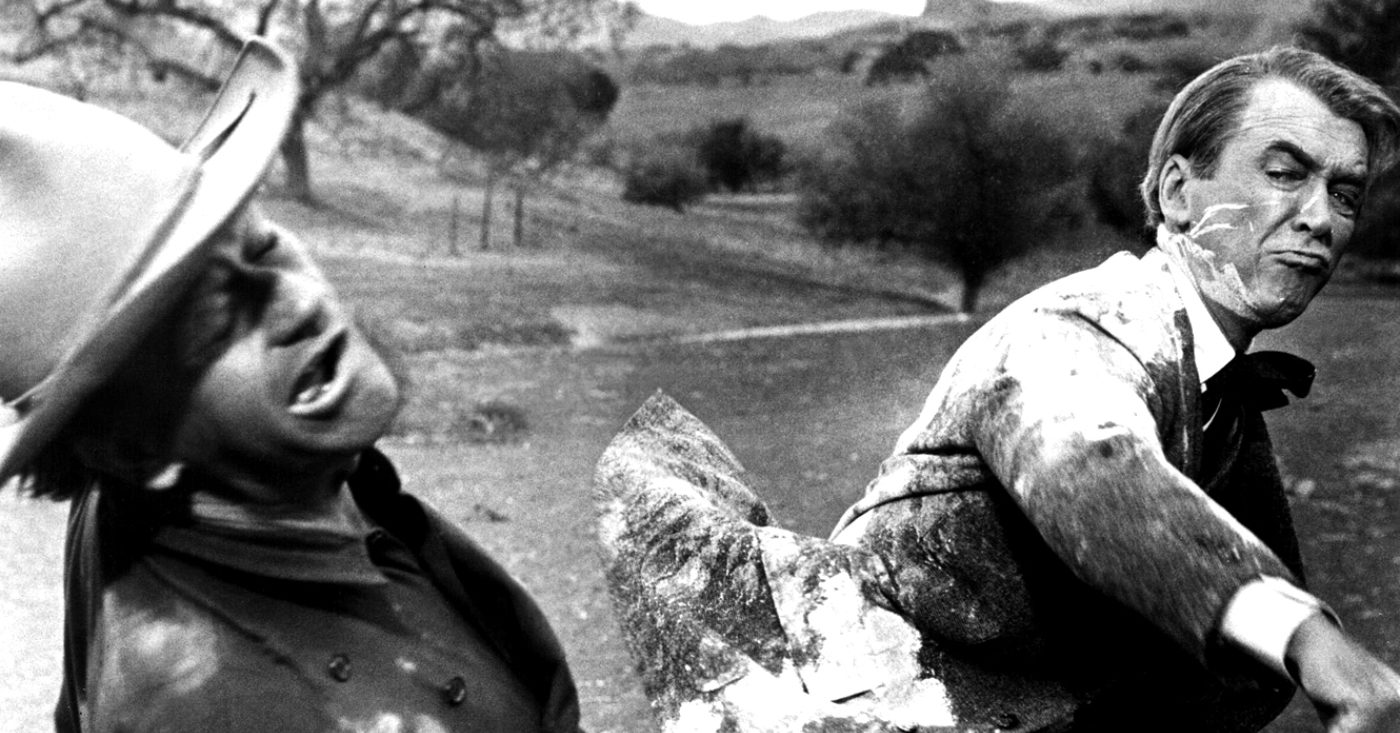
Flash back 25 years, and Stoddard is an idealistic lawyer ready to start his practice in the then lawless Shinbone. On the way into town, his stagecoach is ambushed by local gang leader Liberty Valance (Marvin). After refusing to yield to the bully, Stoddard is brutally beaten and left to die in the desert. He’s found by Doniphon and nursed back to health by Hallie.
“I have a good mind to throw this dish in your face, you dirty rotten scoundrel, you!”
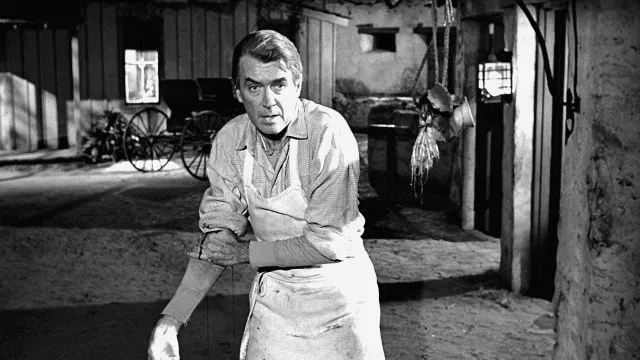
Once he recovers his strength, Stoddard decides to go ahead and open his law practice, as well as start a school to teach all the locals to read, something Valance is not happy with. Doniphon tries to tell Stoddard that he needs to use force in order to deal with the outlaw, but Stoddard is sure that the only way is the way of the law. Meanwhile, romance blossoms between “Ranse” and Hallie, although Doniphon is also in love with the only eligible woman in town.
After all, Hallie is of Norwegian ancestry. We’re scientifically proven to be irresistable [citation needed].
The Man Who Shot Liberty Valance is a wonderful and tense Western where philosophies collide with the transition from old to new ideals. On the one hand, we have the old west represented by the rugged, stoic and righteous gunslinger Doniphon, and on the other we have the new hero and male ideal: the educated, sensitive and refined Stoddard.
Stoddard woos the girl and wins over the townspeople by teaching them about history and politics, and how to better themselves. Meanwhile, badass macho man Doniphon protects them with force and his own form of love: he works hard to build his farm in order to have something to offer Hallie, but he never actually got around to asking her to marry him, or to ask her what she actually wanted from him.
She might have married him ages ago if he ever actually thought to ask her
There are some not-so-subtle references to all men being created equal, which would have been very timely in 1962 and, sadly, also in 2019, and which we absolutely loved. We also loved James Stewart, but then again, we always do…
This movie has it all: sassy women (mother more than daughter), bad criminals, intriguing politics, a stoic gunslinger, a young idealistic educated man, a love interest, and a bumbling town marshal. And once again, we find ourselves loving a Western classic. Fantastic stuff!
He’s only an elected official – he can’t make decisions on his own!
A brawl (of the murderous kind) in a saloon leads to the arrest of Joe Burdette (Akins), criminal brother of a local hot shot rancher. As many forces are looking to get Joe out, sheriff John T. Chance (Wayne) enlists the help of former deputy Dude (Martin) to keep him safely locked away, despite Dude’s alcohol problem and the fact that he was one of the reasons for the brawl in the first place.
Together with comic relief Stumpy (Brennan) they must defend the jail, the sheriff’s office and the town, something which proves difficult when Joe’s henchmen and Big Brother Nathan (Russell) get involved. Reinforcements (reluctantly) arrive in the form of young gunslinger Colorado Ryan (Nelson) and, in another way, poker player Feathers (Dickinson).
“Age gap? 24 years is no age gap! My last boyfirend was 78.”
How will this ragtag team of alcoholics, kids, oldies, cripples and (gasp!) women manage to survive until the Marshall comes to pick up the condemned prisoner? Why, with song and explosions, of course!
Rio Bravo has everything you could ever hope for in a western – rugged men; feisty women; fancy, semi-colour-coded hats; shootouts; explosions; horses; clearly defined bad guys and romance.
One man learns that there exists a different kind of romance than that between a man and his horse
We loved the silent scene at the start, the tension throughout, the character names (Chance, Stumpy, Dude and Feathers – are we sure this isn’t a cartoon?) and Angie Dickinson. Clocking in at well over two hours, this movie just flies by and was great family entertainment when we sat down to watch it with our parents and brother on May 17 – the Norwegian national day. After a day of wholesome fun with nephew and niece, what’s better than watching a bunch of manly, yet sensitive, men kill each other?
“Hear that, boys? The crowd is ready for an encore!”
What we learned: Wild West men were surprisingly sensitive and in touch with their feelings. Also, some will go to great lengths to ensure justice is served.
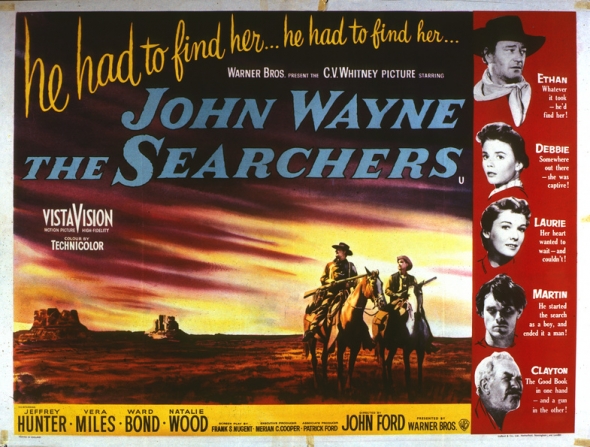
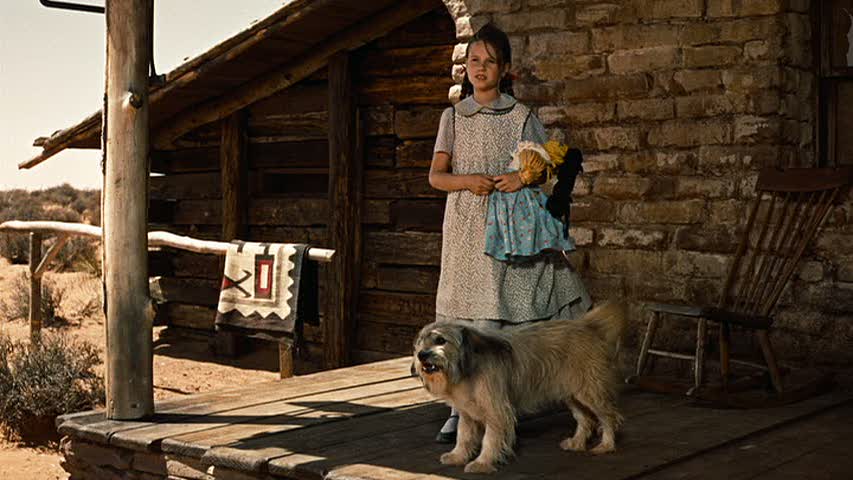
Somewhere in Texas, Ethan Edwards (Wayne) returns to the homestead from the Civil War. Which ended three years earlier. He may have been involved in some shady business in the interim. After years away, he joins his brother’s family to (possibly) settle down and stay away from conflict.
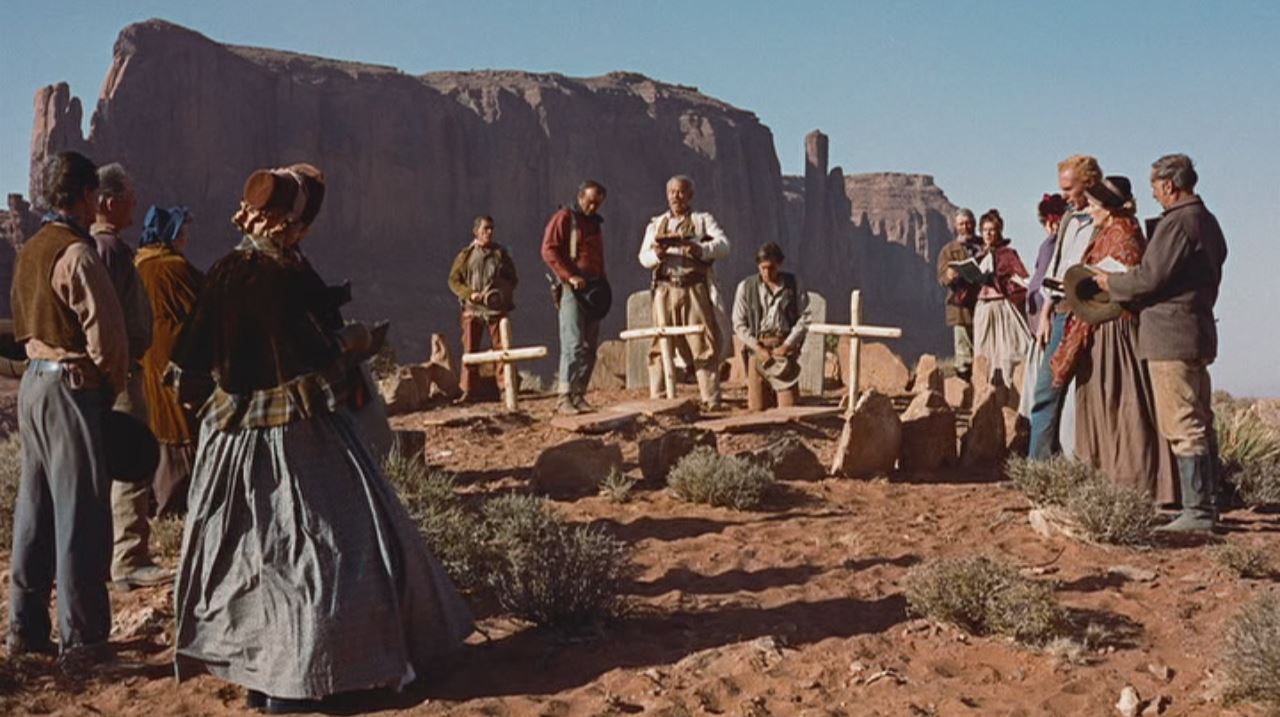
A neighbour’s stolen cattle lures most of the men, including Ethan, away from their homes in search of the thieves, but it turns out that the theft was a decoy to raid the unprotected houses. Ethan returns to find his brother, sister-in-law, and nephew killed, and his two nieces missing – the work of Comanche warriors.
Along with his 1/8 Cherokee adopted nephew Martin Pawley (Hunter) and niece Lucy’s fiancé Brad Jorgenson (Carey), Ethan starts his search for his lost relatives – a search which will take several years and claim its share of casualities.
On the surface an adventure movie, The Searchers deals with some very uncomfortable questions of racism, mainly through main character Ethan, who is willing to kill his beloved niece once he learns that she has assimilated and now lives as a Comanche.
We loved Laurie, Mose, and the fight between Charlie and Martin, and there are some amazingly beautiful shots in this film. It’s a Western epic spanning several years with lots of interesting characters – especially Ethan is intriguing if not particularly likable. Our dog was also very into it – anything with horses, dogs and shootings quickly becomes a favourite for him.
Like us, Doggo is less keen on overly tanned white people playing Native Americans, but he appreciated all the Native extras
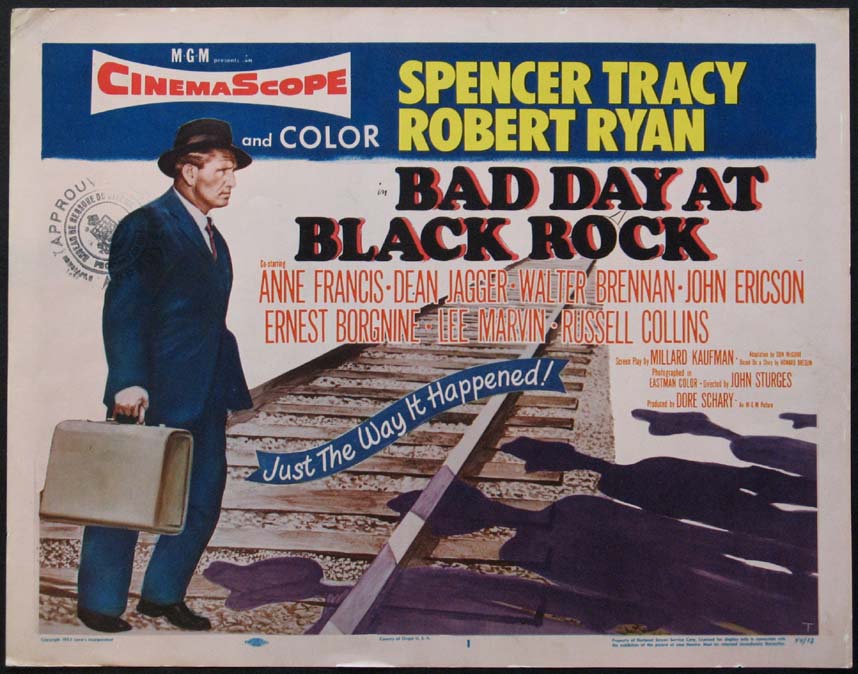
The tiny town of Black Rock is amazed to see the train actually stop for the first time in four years. Even more puzzled, and suspicious, are they to find a stranger getting off in search of a hotel room and a cab to take him to Adobe Flats.
“I vote we just kill him now and get it over with. There’s no way we can share our one female resident with yet another man.”
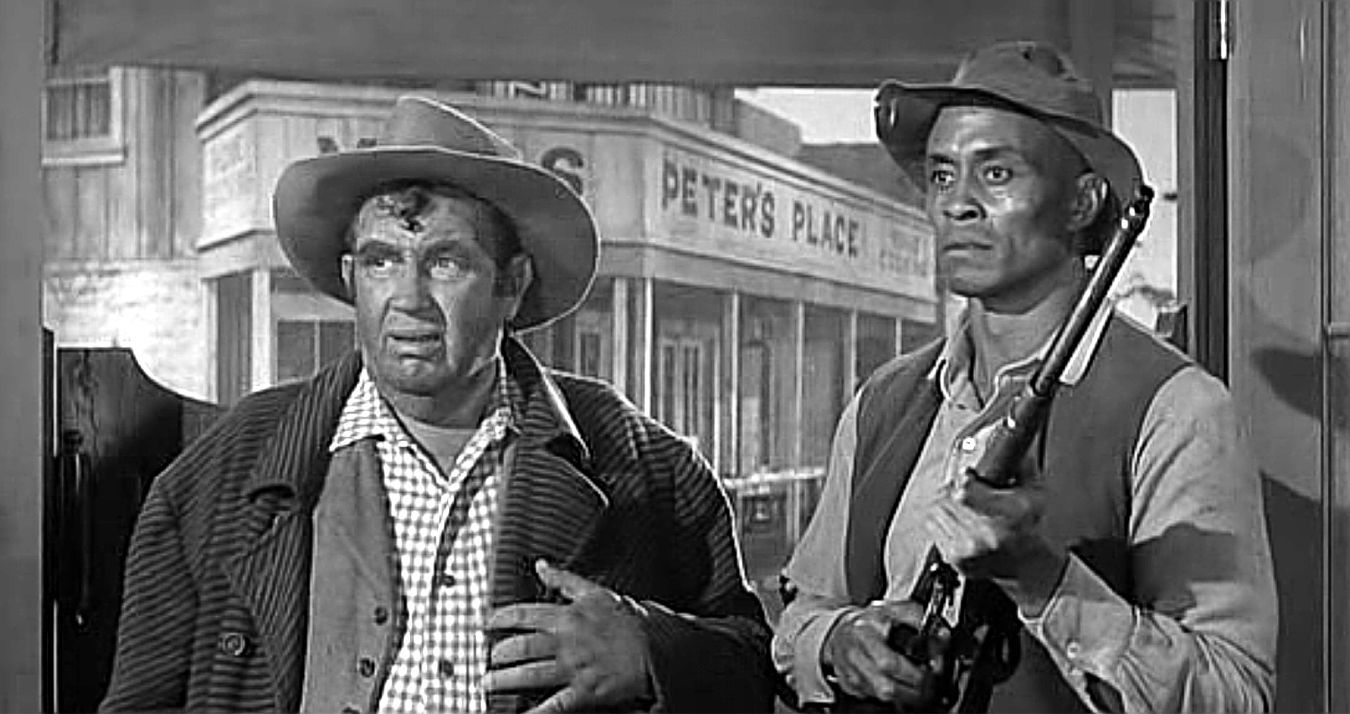
The stranger, John J. Macreedy (Tracy), is met with hostility from all sides, mainly led by Reno Smith (Ryan) who everyone seems to be afraid of. The hostility increases when Macreedy reveals he is looking for a Japanese-American farmer named Komoko, and he is served a story of Komoko being relocated in the wake of Pearl Harbor.
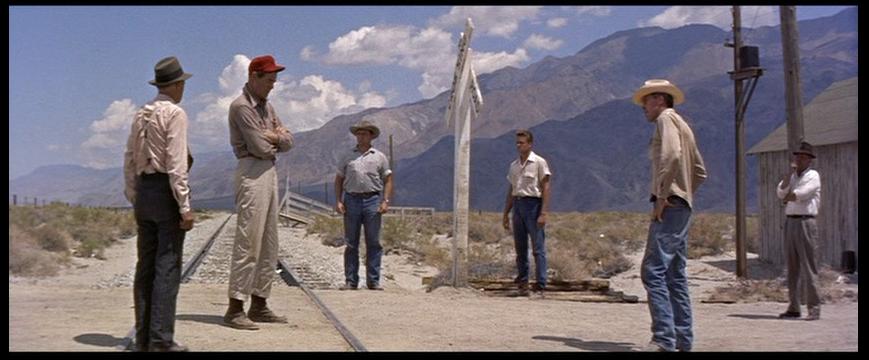
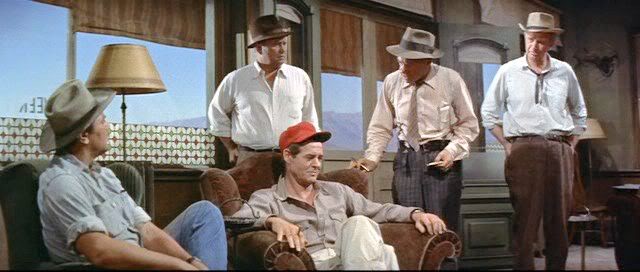
Pictured: tension. And not the homoerotic cowboy movie kind.
As Macreedy is trapped in the town for the night and all lines of communication with the outside world are sabotaged by local followers of Smith, vet/undertaker Doc (Brennan) is the only one willing to help him. Doc reveals that Komoko is dead, although the details of his death are still unknown to our hero.
Hint: there’s racism and bigotry at work. Thank God the world is not plagued by those kinds of outdated ideas anymore!
Smith and his croonies, most notably Coley and Hector (Borgnine and Lee, respectively), no longer operate under any pretense of innocence, and the chances of Macreedy surviving the night grow smaller and smaller.
It doesn’t help that our hero is a one-armed man trying to fight a pissed off Ernest Borgnine
Bad Day at Black Rock is an exciting and tense murder-mystery-western with a crime at the centre of the plot which is strangely (and sadly) relevant to our own times and political climate. Macreedy is a stoic badass, yet you’re never sure things will go his way or who he can trust. The men in this one-woman-town must make some tough choices and decide whether or not to make up for the mistakes that were made four years ago.
It’s hard to see how anything at all could happen in a town this small, let alone something horrible
There’s nothing not to love about this film. It’s shot in Eastman Color and Cinemascope, and beautifully so. There are car chases, shoot-outs, bar fights, Dames (well – just the one dame, actually), murder, mystery, and mayhem, and we loved everything about it. Loved it!
What we learned: This is a local town for local people. There’s nothing for you here! Alternatively, they don’t take kindly to strangers round these there parts.

























 1000 Films Blog