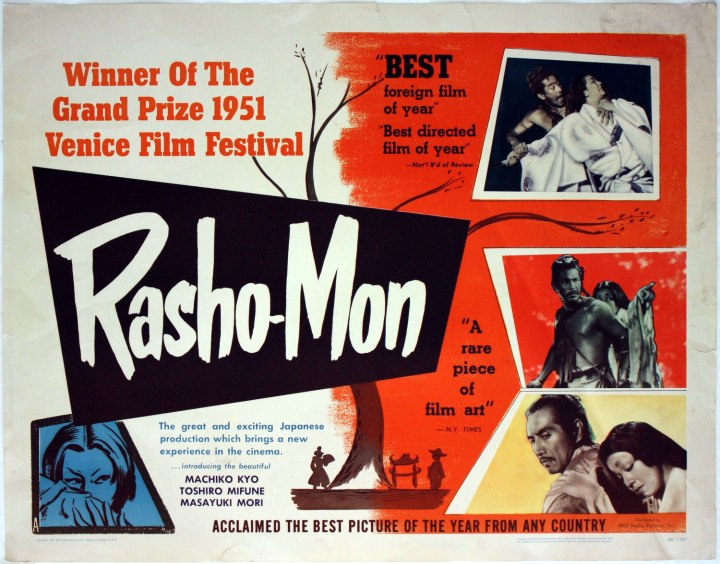
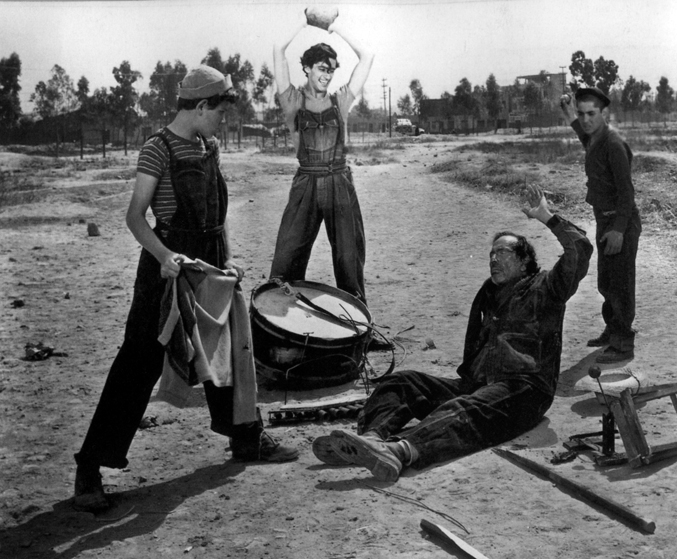
#121 Magnificent Obsession

Watched: July 8 2017

Director: Douglas Sirk

Starring: Rock Hudson, Jane Wyman, Barbara Rush, Agnes Moorehead

Year: 1954

Runtime: 1h 48min

magnificent

Source

Bob Merrick (Hudson) is a spoiled rich brat whose life is all about indulging his narcissistic personality. After throwing a tantrum when his advisors try to suggest that the weather isn’t really suited for speed racing on the lake, he gets himself into a completely avoidable and potentially fatal accident.

magnificent2
“That bitch lake had better obey my financial power!”

Source

On their way to save him, the police pick up a resuscitator from a neighbour with a heart condition. As it is put to use saving the life of the self-centered playboy, the good doctor to whom it belongs succumbs to a heart attack.

Magnificent3
“My husband died from a heart condition while indirectly helping a man with no heart? How very symbolic of him!”

Source

When Merrick learns what happened, he tries to apologise to the doctor’s widow, Helen Phillips (Wyman) who naturally does not want to hear from the man who cost her husband his life. Merrick, the Phillips family’s jinx, then causes Helen to lose her sight in an accident. You’d think he’d learn to stay away by now, but he keeps pursuing her, taking advantage of her blindness to take on an assumed identity. At least the Phillips’ misfortune(s) bring about a change in Merrick, sending him down a very different path than the one on which he had started.
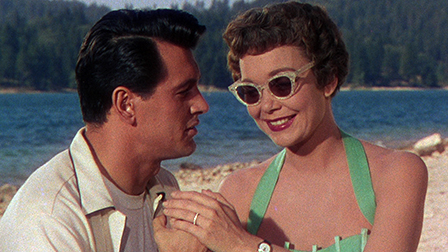
magnificent4
“This Bobby sounds like a real piece of work! Good thing I, ehm, Robby, am completely different from this rich bastard!”

Source

Despite its clear religious undertones and somewhat melodramatic style, we really enjoyed Magnificent Obsession. It is beautiful and sad with some unconventional (albeit at times almost farcical) twists and turns.
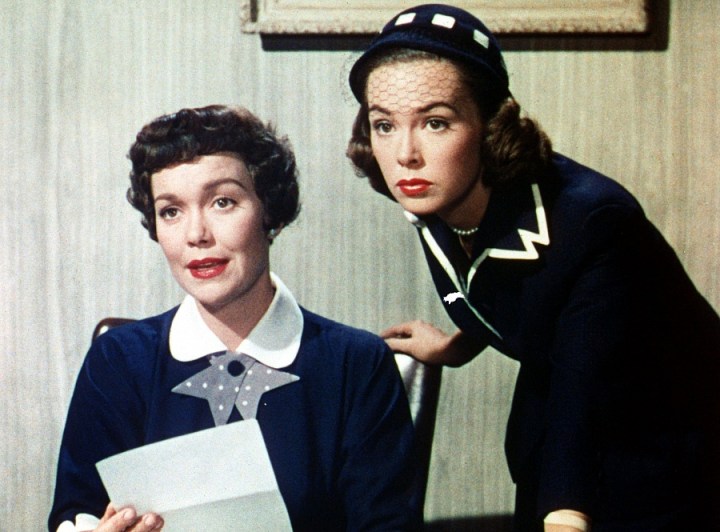
magnificent5
We want all their clothes. Especially Jane Wyman’s.

Source

It’s always nice to watch the redemption of self-obsessed characters, and this one delivers. We loved Nancy (Moorehead) and the little girl Judy (Nugent), and we LOVED the costumes in glorious technicolor! We liked this more than we thought we would, although we realise that it’s one of those films you have to be in the right mood for. Luckily, we were, and we’re looking forward to more Sirk to come.

magnificent6
Bask in the gloriousness of my fabulous style!

Source

What we learned: Given the right motivation, anyone can turn their life around. If they have buttloads of money, at least.

Next time: Bonus post: Baby Driver (2017)

#113 Glen or Glenda

Watched: June 11 2017

Director: Edward D. Wood Jr (aka Ed Wood)

Starring: Bela Lugosi, Ed Wood, Dolores Fuller, Timothy Farrell, Lyle Talbot

Year: 1953

Runtime: 1h 11min

Glen

Source

Ed Wood is commonly known as the worst director of all time, which may or may not be true (there must be someone worse out there, although it’s possible they’ve never released anything major), due in large part to the cult classic Plan 9 From Outer Space (1959). Slightly less well known, though still fairly (in)famous, and (hopefully) slightly more autobiographical is Glen or Glenda from 1953.

Glen2
Despite his infamy, Ed Wood threw the best and most surreal parties!

Source

Transvestite Patrick/Patricia has committed suicide, and the investigator, Inspector Warren (Talbot) wants to learn more about their motive. He talks to Dr Alton (Farrell) who tells him two stories about different forms of gender identity, starting with the story of Glen/Glenda (Wood).

Glen3
Some men have different reasons for admiring lingerie in shop windows…

Source

Glen is a fairly normal heterosexual man who is engaged to marry Barbara (Fuller), and who likes to dress in women’s clothing and to feel like a woman. He describes it as a sort of split personality and he cannot quite make up his mind whether he wants to continue doing this or whether he wants to stop. He also has a hard time deciding how to tell his fiancée about his alter ego. This is the most clearly autobiographical narrative in the film, since the director himself went through a similar process (as we’ll see in Tim Burton’s Ed Wood when we reach 1994).

Glen4
He feels like it’s sinful and wrong too, poor guy/girl

Source

Dr Alton also tells Warren the story of pseudohermaphrodite Alan, who after a long period of confusion, goes through a sex change to transition to female. In between these two narratives, Bela Lugosi pops up in a lab straight out of a Frankenstein film and talks about human nature while doing experiments that have nothing whatsoever to do with the rest of the film. There’s also a (drug-fueled?) dream sequence heavy with symbolism (we think).

glen5
An old Universal horror? A Hammer film, perhaps? Nope, it’s a docudrama about gender identity

Source

A film as indecisive about its nature as its eponymous character, Glen or Glenda cannot seem to make its mind up about in which genre it wants to belong. The scenes with Bela Lugosi fall firmly into the horror realm, while other parts of the film fluctuate between documentary, drama, romance, pantomime, silent movie, and symbolism heavy art feature. It is a very interesting film to watch though, and its cult status is understandable. The artistic merits of the film do not, however, quite match the level of the progressive and important subject matter, and it’s a strange experience watching it. Well worth it though!

glen6
Yup. Still docudrama about gender identity.

Source

What we learned: Beware of the big green dragon that sits on your doorstep. Also, 7 out of 10 men are bald due to tight hats.

Next time: House of Wax (1953)

#110 Ikiru

Watched: May 28 2017

Director: Akira Kurosawa

Starring: Takashi Shimura, Miki Odagiri, Nobuo Kaneko, Shinichi Himori

Year: 1952

Runtime: 2h 23min

ikiru

Source

Kanji Watanabe (Shimura) is a small cog in the great wheel of Japanese bureaucracy. He’s been feeling a bit under the weather and goes to see his doctor. After a less than encouraging meeting with another patient in the hospital waiting room, Watanabe’s doctor tells him the exact lies his fellow patient warned him of, and he realises he only has a short time left on this earth.

ikiru2
Like any doomed man, he tries to drown his sorrows

Source

With a death sentence hanging over his head, ungrateful children plotting to take his money, an unfulfilling job, a dead wife, a wasted life, and no tools to connect with his son or express his emotions, Watanabe stops going to work and starts drinking. He spends a night out with a novelist he meets, but drinking and partying does little to lift his spirits.

ikiru3
His cheerful demeanor does wonders for all those he meets though

Source

After his first experiment fails, he starts to spend time with a former underling from work – the young and vivacious Toyo (Odagiri). He asks her to teach him how to enjoy life – he wants his last few months to have meaning, but he doesn’t know how to make that happen – and she tells him that her new job making toys is bringing her joy. This gives Watanabe an idea – to help a group of lobbying parents clean up a cesspool in their neighbourhood and make a playground. Finally, the bureaucrat makes things happen.

ikiru4
All because of a little fluffy bunny toy

Source

Ikiru is beautiful and haunting, and we loved it (despite its lack of samurai). It’s a long feature, but it flies by, and one cannot help but be drawn in by the intriguing actors and the very human plot. Watanabe has to get a death sentence in order to start living, and unfortunately this is true for so many people. In a society where people’s worth is determined by their ability to adapt to and contribute to the system, Watanabe manages to use the system to form his legacy. However, he needs the push of his impending death in order to start doing something with his position.

ikiru5
In context, this is even sadder than it looks

Source

An intriguing, beautiful and heart breaking drama and an interesting view into post-war Japanese bureaucracy and society, this is one of those films everyone should watch at some point in their lives. Not as famous (at least in Norway) as many of Kurosawa’s other films, we’re glad it was added to the list, otherwise it probably would have flown under our radar and we’re glad we watched it. It actually made us feel something in our cold, dead hearts.

What we learned: Live while you can, love your work and make a difference.

Next time: Singin’ in the Rain (1952)

#106 An American in Paris

Watched: May 14 2017

Director: Vincente Minnelli

Starring: Gene Kelly, Leslie Caron, Oscar Levant, Georges Guétary, Nina Foch

Year: 1951

Runtime: 1h 53min

American

Source

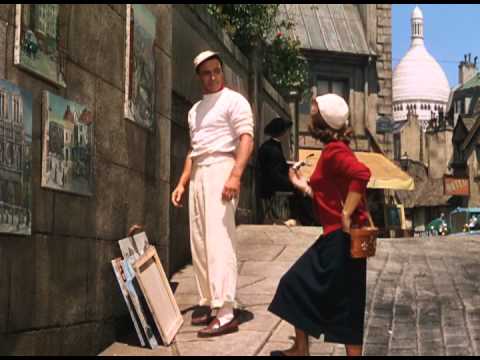
An American in Paris marks a return to the wonderful world of musicals, and it’s a great one at that. Jerry Mulligan (Kelly), an American ex-soldier and aspiring painter, has taken up residence in Paris after the war ended. While his accommodations are small, IKEA has nothing on this guy’s smart living solutions, and he spends his time sleeping, painting and trying to sell his work in the streets of the city.

american2
His low sales numbers might be attributed to him berating and insulting potential customers

Source

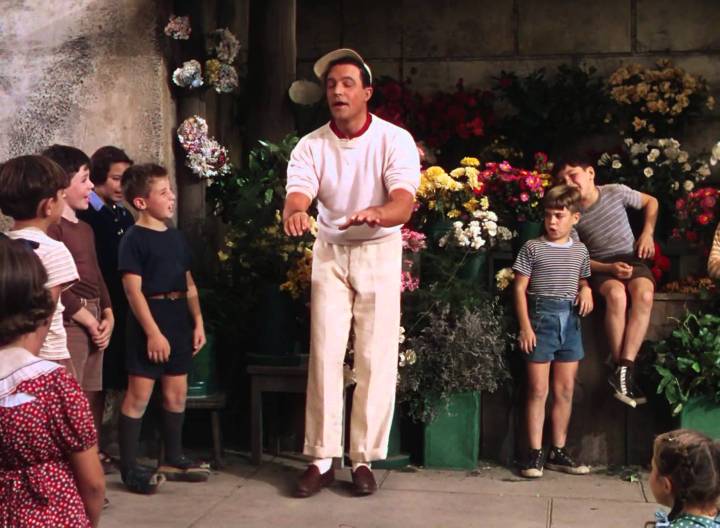
He also spends time with his pianist neighbour Adam Cook (Levant) and the latter’s associate, singer Henri Baurel (Guétary), and together the three dance with adorable old ladies and talk about their lack of success. In between all these fine activities, Jerry also makes time to teach local kids English through the medium of song and dance.

american3
An elaborate dance routine really is the only way to teach kids these days

Source

Mulligan finds himself a sugar mama in Milo Roberts (Foch) who promises to make him a household name, but falls in love with Lise Bouvier (Caron) who, unbeknownst to Jerry, is already engaged to marry Henri. Complications ensue, but so too do magnificent dance numbers.

American4
Making the most out of the fact that it was filmed in colour

Source

There are so many great scenes in this film, such as the introduction of Lise with the different sides to her shown through dance, the old lady Kelly dances with in the café, and of course the grand finale which we cannot even begin to describe. We have an affinity for musicals, especially ones with great dance numbers, and so this one was right up our alley.

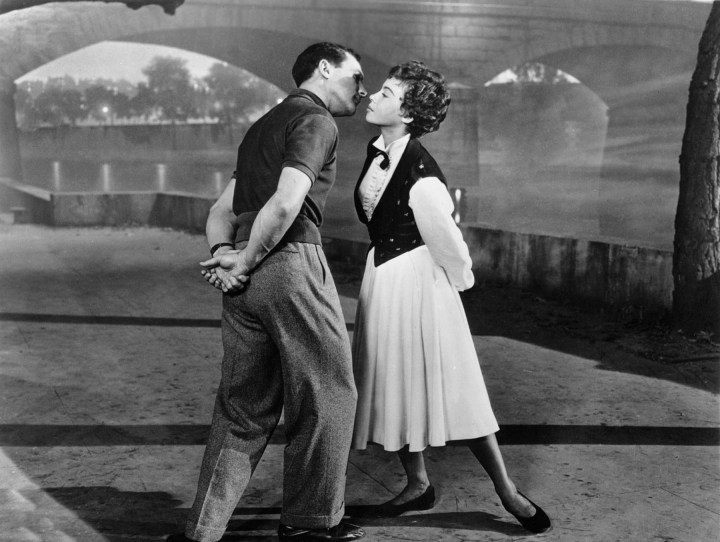
american5
We also have a weakness for serial killer thrillers, so were ever so slightly disappointed when they both survived their first date by the river in the fog…

Source

The story itself is fine, although it might just be an excuse to throw in some truly excellent dance scenes. That hardly matters though because the musical scenes are well worth the ticket price alone (in our case, borrowing a free DVD at the library – thank you social democracy!), and we’ve found new ways to enjoy another favourite pastime – reading books.

american6
It really is the only way to read

Source

American7
…except for this way, of course

Source

If you like dancing, music, Gene Kelly, Leslie Caron, romance, snarky pianists, fantastic costumes, clever solutions to small living spaces, or just interesting new ways of doing everyday activities, look no further than An American in Paris. It really does have it all.

American8
Yes, fountain lovers – there’s even something in there for you

Source

What we learned: When you ain’t got any money it takes on a curious significance.

Next time: Strangers on a Train (1951)

#105 Ace in the Hole

Watched: May 7 2017

Director: Billy Wilder

Starring: Kirk Douglas, Jan Sterling, Robert Arthur, Porter Hall, Richard Benedict

Year: 1951

Runtime: 1h 51min

ace

Source

Chuck Tatum (Douglas) is a big city journalist who keeps getting sacked for various offences, such as sleeping with other people’s wives and generally being difficult. With many bridges burned, he gets a job in a small Albuquerque paper where he dreams of getting a big story to facilitate his return to the big city where he feels he belongs.

ace2
Chuck’s not too concerned with the small town newspaper’s motto

Source

On the way to cover a rattlesnake hunt, Tatum and young photographer Herbie Cook (Arthur) happen across a cave in and a blonde, and Tatum smells a story. He establishes himself as a hero by going into the cave to talk to Leo (Benedict), the man who is trapped there. Tatum decides to milk the story for all it is worth, abandoning the rattlesnake hunt and convincing the sheriff to take his time digging the poor trapped man out.

ace3
After all, being trapped in a cold and musty cave for days on end has never hurt anyone

Source

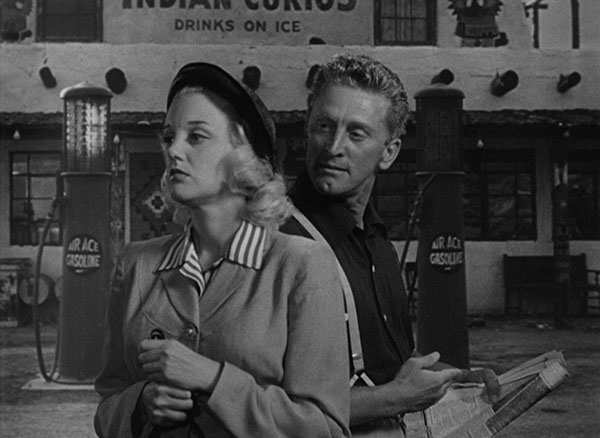
The story of Leo trapped in the cave goes viral, 1950s style, and people and reporters come from all over the country to show their support and/or get in on the action. Leo’s disillusioned wife Lorraine (Sterling), the aforementioned blonde, abandons her plan of leaving her trapped husband and instead starts charging admission money for the cliffs, which essentially turn into a (slightly less drugged up) ’50s Woodstock.

ace4
These two are sort of a great match

Source

This film was fantastic! Tatum is cynical and full of himself, he makes horrible, selfish decisions and he takes no responsibility for his actions. Instead, he tries to take the high ground with Lorraine as his actions have devastating consequences, and he start blaming the spectators and the other reporters for everything that happens. Absolutely zero responsibility taken there.

ace5
“This chin does not make mistakes!”

Source

Another new favourite of ours, we really recommend Ace in the Hole to anyone who likes a good film. Or a good chin dimple.

What we learned: There are a lot of hard boiled eggs in the world, and Chuck is 20 minutes.

Next time: An American in Paris (1951)

#104 A Place in the Sun

Watched: May 13 2017

Director: George Stevens

Starring: Montgomery Clift, Elizabeth Taylor, Shelley Winters

Year: 1951

Runtime: 2h 02min

place

Source

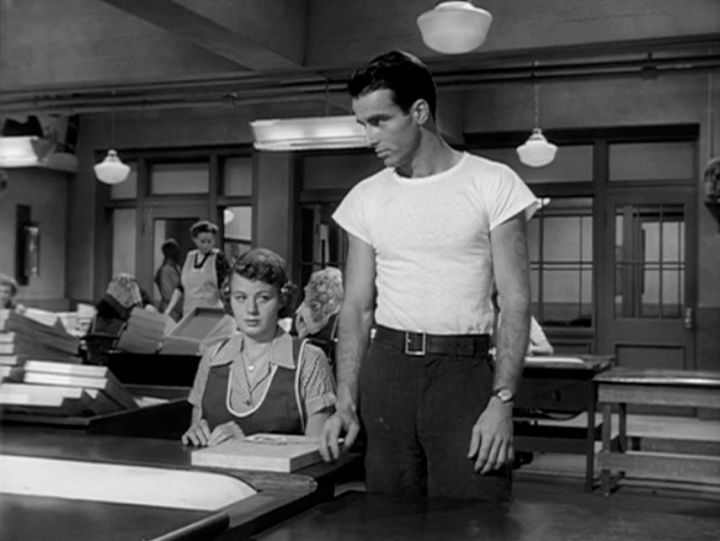
George Eastman (Clift) is hitchhiking to see his rich uncle who has promised him a job in his bathing suit factory. He is given an entry level job and is expressly forbidden to mix with the girls working there. So the first thing he does is flirt with colleague Alice Tripp (Winters) and they soon start a secret relationship.

place2
So inconspicuous

Source

Not long after, George’s ambition and family ties get him promoted. He moves through the ranks both professionally and socially with an invitation to one of his rich and powerful family’s parties. There, he meets wealthy socialite Angela Vickers (Taylor) and he falls in love with her, but not before impregnating his working class girlfriend. Apparently his religious mother never taught him about protection…

place4
Who can resist a girl with cake, though?

Source

With his new girl happily unaware of his relationship status (it’s complicated), and his old girl demanding marriage, George is torn between his guilt and desire to do the right thing, and his ambition and attraction to Angela.

1951: Film stars Elizabeth Taylor and Montgomery Clift (1920-1966) star in the Paramount melodrama 'A Place In The Sun'.
When faced with the choice between a girl who packs bathing suits and one who wears them…

Source

A Place in the Sun has illegitimate pregnancies, ambition, love triangles, lots of foreshadowing, loose morals (and we’re not talking about Alice here), and a suspenseful scene in a boat which reminded us a great deal of Sunrise: A Song of Two Humans. Even our dog was transfixed by this one, although that could have been due to the soundtrack dogs barking throughout some of the more tense scenes.

place5
It’s also possible the dog was outraged by Elizabeth Taylor wearing his friend as a cape

Source

What we learned: Don’t get a girl pregnant when you are secretly in love with another girl. That’ll get you into all sorts of trouble.

Next time: Ace in the Hole (1951)

#103 The Asphalt Jungle

Watched: May 06 2017

Director: John Huston

Starring: Sterling Hayden, Louis Calhern, Jean Hagen, Sam Jaffe, James Whitmore, Barry Kelley, John McIntire, Marilyn Monroe, Marc Lawrence

Year: 1950

Runtime: 1h 52min

asphalt_jungle

Source

Dix Handley (Hayden) has three things in life: a gambling problem, a potential girlfriend named Doll (Hagen), and a dream to buy back his family’s old farm. However, he tends to gamble away all his money whenever he has some, so the family farm seems far from his reach, and he’s not necessarily as into Doll as she is into him.

asphalt02
Doll and Dix. There’s a (possibly disastrous) movie title in there somewhere…

Source

When Doc Riedenschneider (Jaffe) is released from prison with a plan for a big caper, he goes to see an acquaintance of Dix’s for funding. Dix and Doc (another potential title, by the way) cross paths and Doc is adamant that Dix is the right man to be the muscle in the heist. This job will give him the money for a farm, so Dix agrees and joins Doc’s team along with a safecracker and a getaway driver, as well as financial backers Alonzo Emmerich (Calhern) and Cobby (Lawrence).

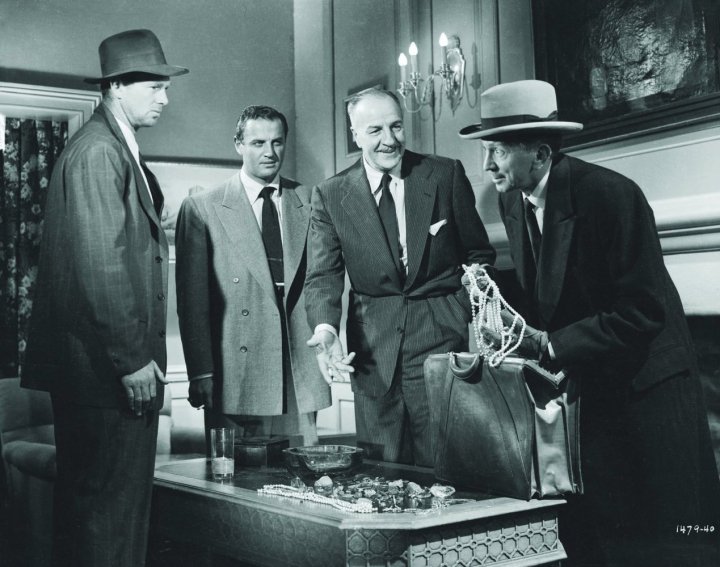
asphalt3
You just know they’re doing criminal stuff when there’s a pack of cigarettes on the bed, a bottle of booze on the table, and two of them have removed their jackets.

Source

While the robbery itself goes off with only one small hitch, the double crossings start pretty much right away. With the police chasing them and everyone backstabbing each other, who will come out of this alive?

asphalt4
And who will get to wear the pretty, pretty necklaces?

Source

A criminal who wants a quiet, peaceful life; a high-stakes heist with a cast of hand picked experts; a doomed romance; a corrupt businessman with a gorgeous blonde mistress; a dirty cop and double crossings galore – this movie has it all. Clichés they may be, but when they’re done this well it doesn’t really matter. Films like this are the reason people keep coming back to the same clichés – sometimes they really work.

asphalt5
Like blondes. Blondes always work to confuse young investigators. We’re not sure of which gender that’s most condemning…

Source

What we learned: There’s no honour among thieves. Also, ’50s slang for explosives is “soup”. It’s fun stuff like this which keeps us coming back. (Well, that, and the obligatory dance/music scenes in Film Noir.)

Next time: A Place in the Sun (1951)

#102 Sunset Boulevard

Watched: April 30 2017

Director: Billy Wilder

Starring: William Holden, Gloria Swanson, Erich von Stroheim, Nancy Olson, Cecil B. DeMille, Buster Keaton

Year: 1950

Runtime: 1h 50min

sunset boulevard

Source

Thematically linked to All About Eve, though centred on Hollywood rather than Broadway, Sunset Boulevard tells the story of broke screenwriter Joe Gillis (Holden) and former silent movie star Norma Desmond (Swanson), who embark on a strange and ill-fated relationship when he accidentally seeks refuge in her decrepit Hollywood mansion on the day of her chimp’s funeral.

sunset2a
No, we did not make that up.

Source

When Norma learns that Joe is a writer, she asks him to read through and rewrite her script for her epic comeback Salome and, being down on his luck and about to return home to take an office job, Joe agrees and moves into the faded star’s equally faded mansion.

sunset1
Despite the state of the mansion, the floors are waxed to perfection and the quartet has been polished for the occasion

Source

Joe soon gets used to the lifestyle offered to him by the delusional Norma. Even though he understands that her aspirations to return to the screen are completely unrealistic and he knows that to the outside world she’s a has-been, he, like Norma’s creepy butler Max (von Stroheim), plays along and feeds into her false sense of relevance.

sunset3
That’s not all he feeds into if you get our drift… He’s a kept man, is what we’re saying.

Source

As Norma’s delusion of grandeur increases, Joe’s satisfaction with his life of leisure decreases, and he starts working on the side with Betty Schaefer (Olson) with whom he collaborates on an original screenplay. Norma starts to suspect that her boytoy is getting some on the side, and she is not happy…

sunset4
“I let him watch my movies with me and this is how he repays me?!?”

Source

Now, this film is a classic for a reason. It’s endlessly quotable with a Gothic setting and extremely memorable characters, in particular the unstable, possessive, explosive, toxic and fabulous Norma Desmond. Even our old favourite Buster Keaton makes an appearance, as do old-timey stars Hedda Hopper, H.B. Warner, Anna Q. Nilsson and, famously, Cecil B. DeMille.

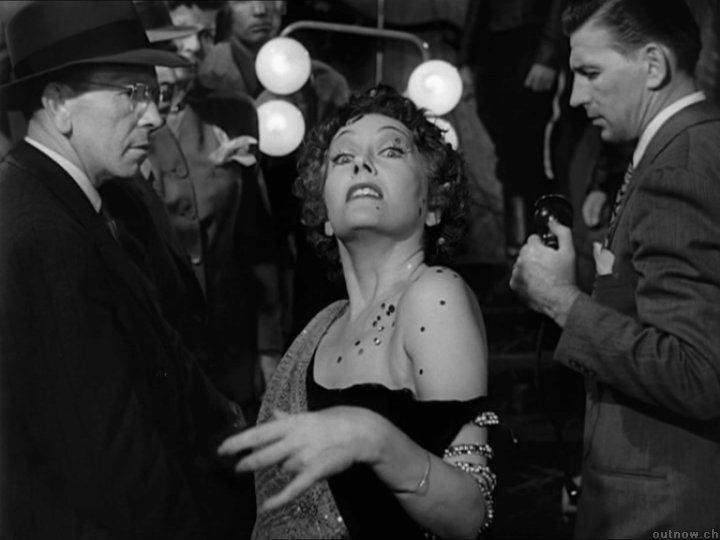
sunset5
Guess who’s ready for her close-up…

Source

Sunset Boulevard is a sort of Gothic Film Noir and we loved it completely. It’s one of those films you’ve seen parodied, referenced and referred to, and heard quoted, so many times that you start thinking you’ve actually seen it, but in our case that turned out to be false (for some reason, although this is right up our alley). There’s madness, love, satire and men who (once again) feel they need to make hard decisions for women who love them, without giving them the unbiased facts and letting them choose for themselves. Loved, loved, loved it.

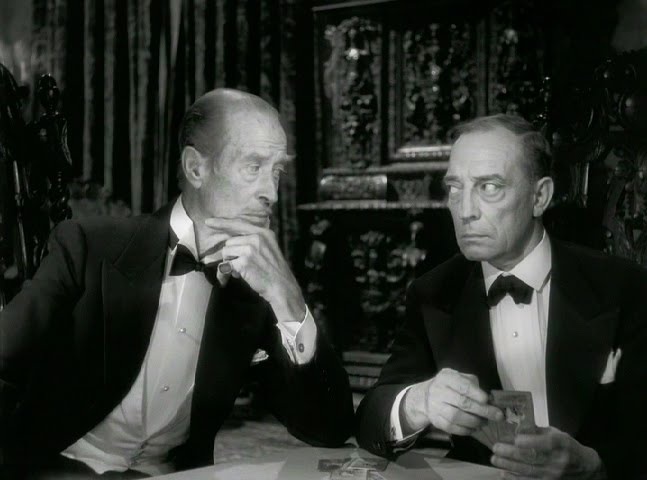
Sunset6
Ah – Buster. We still love you dearly.

Source

What we learned: Great stars have great pride.

Next time: The Asphalt Jungle (1950)

#101 Rashômon

Watched: February 2 2017 (Cinema screening)

Director: Akira Kurosawa

Starring: Toshirô Mifune, Machiko Kyō, Masayuki Mori, Minoru Chiaki, Takashi Shimura, Kichijirô Ueda

Year: 1950

Runtime: 1h 28min

rashomon

Source

We’ve reached the oeuvre of Akira Kurosawa, and we kick it off with the classic Rashômon, which has been on our to-watch list for years, but somehow we never got around to seeing it. However, when the local cinema put it on earlier this year, we took the opportunity to watch it on the big screen and we did not regret it.

rashomon1
A cinema screen is the only way to get the full impact of this face

Source

Three men, a woodcutter (Shimura), a priest (Chiaki), and a “commoner” (Ueda) seek shelter from the rain under an old, decrepit gateway of sorts. They are all involved to an extent in the death of a samurai (Mori) who was killed in the woods a few days prior to the rainstorm. The audience is then given various accounts of what happened.

rashomon2
The style and level of expertise of the fighters vary with the different accounts

Source

Different witnesses/”persons of interest” tell their version of events but they all have something to hide or a reputation to uphold, so their testimonies are less than credible. Still, we get versions from a bandit who takes credit for the crime (Mifune), the samurai’s wife (Kyō) whose character probably changes the most in the different accounts, the woodcutter, and the samurai himself through a medium. What really happened? ‘Tis a conundrum.

rashomon3
Innocent, exploited victim or unscrupulous femme fatale? Or perhaps just a woman doing what she needs to do to stay alive? You decide!

Source

It’s an amazing and compelling film and we’re very happy to have had the opportunity to watch it in the cinema (however, as we were in a dark room with other people we couldn’t take notes as we usually do, being the nerds that we are). We’re looking forward to more Kurosawa – both the ones we’ve watched before and those which are new to us.

rashomon4
We think a lot of modern Japanese horror films owe a lot to the creepy, creepy medium. She was seriously unsettling…

Source

Excellent film whether on a small or big screen! And it’s interesting to take a cinematic trip outside Europe/America – keep’em coming!

What we learned: You cannot trust eye witness accounts. Also, Japanese mediums are the creepiest mediums.

Next time: Sunset Boulevard (1950)

#100 Los Olvidados

Watched: April 28 2017

Director: Luis Buñuel

Starring: Alfonso Mejía, Roberto Cobo, Alma Delia Fuentes, Estela Inda, Mário Ramírez

Year: 1950

Runtime: 1h 20min

los olvidados

Source

Pop the champagne! We’ve reached number 100! And what an uplifting and optimistic film with which to celebrate. Perfect for a night of champagne and revelry, Buñuel’s Los Olvidados follows the depressing lives of a group of children (of various levels of dental hygiene) in the streets of Mexico through minor and major crimes.

los olvidados2
Look! They’re celebrating with us! Happy, happy happy times. Nothing bad will ever happen. La di da di da.

Source

El Jaibo (Cobo), recently escaped from prison, comes back to his old neighbourhood to take up his rightful place as leader of the local children, who he rallies into helping his criminal path by attempting to rob a blind street musician. Brave. Meanwhile, Ojitos (Ramírez) has been left in the streets by his father who seemingly has no plans of returning to pick up his son. The abandoned child is taken care of by Pedro (Mejía) – a good boy who’s abused at home but wants a different life for himself.

los olvidados3
The entire film is a laugh riot and not at all depressing as f**k…

Source

Another one of the kids who wants something more from life is Julian, but when Jaibo finds out he has a job and is no longer interested in petty crime he goes into a rage and kills him. Pedro, who witnesses the murder, tries to turn his life around by getting a job, but Jaibo not only screws that up for him, he also literally screws Pedro’s bitch of a mum.

Olvidados, Los (1950)aka The Young and the Damned Directed by Luis BuÒuel
“How dare he aspire to the glamourous life of a blacksmith! I must ruin this for him.”

Source

As a general rule, if one of the kids finds something worthwhile in their lives, Jaibo is there to tear it down. As many other criminals who recruit children, he has no prospects or ambition of his own and therefore wants to drag everyone down to his level to feel like less of a loser.

los olvidados5
Doesn’t get cooler than robbing a cripple

Source

Los Olvidados is a sad and depressing insight into lives of poverty with a very Un Chien Andalou-dream sequence (which we loved) and frustratingly little hope in the end. If we thought Ladri di biciclette was depressing, it has nothing on this. At least in De Sica’s film there was a loving family and some semblance of hope in the depression – Buñuel’s depiction is pretty much devoid of hope.

los olvidados6
We can’t even get into all the shit this little girl goes through

Source

Happy one hundred, people. We need to go look at pictures of puppies.

What we learned: This film shows the real life. It is not optimistic. Also, deprived of affection, children will look for love and approval anywhere.

Next time: Rashômon (1950)