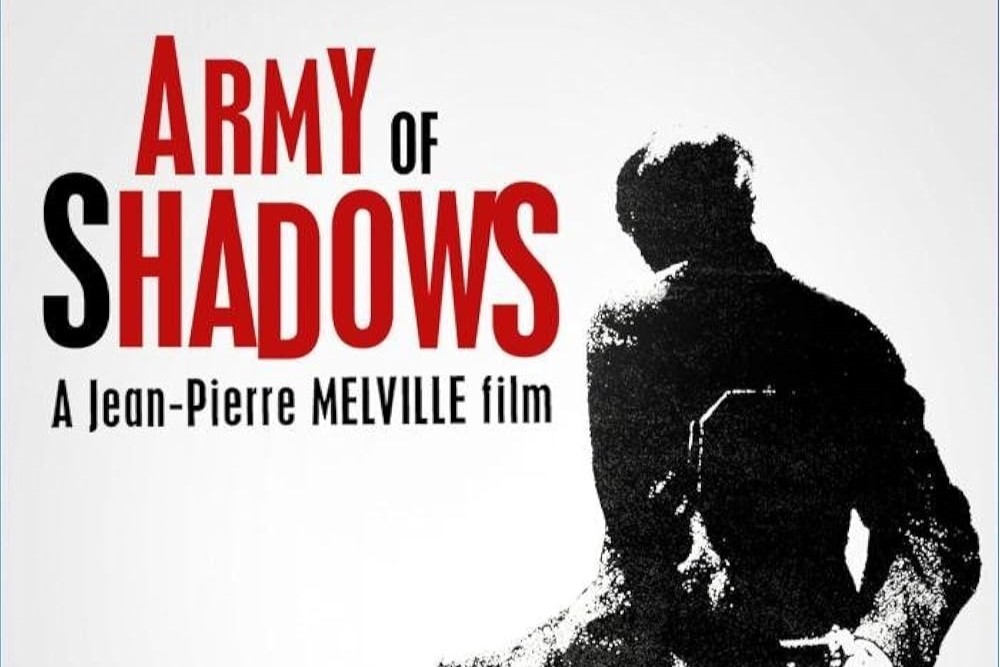
#377 Army of Shadows/L’armée des ombres

Watched: January 15 2026

Director: Jean-Pierre Melville

Starring: Lino Ventura, Paul Meurisse, Jean-Pierre Cassel, Simone Signoret, Claude Mann, Paul Crauchet, Christian Barbier, Serge Reggiani

Year: 1969

Runtime: 2h 25min
Hey! Do you want to watch a World War II movie but you’re kind of over the big action features where good always triumphs over evil and the heroes invariably make it out of the most intricate scrapes and gruelling situations practically unscathed? Well, look no further than Army of Shadows/L’armée des ombres.
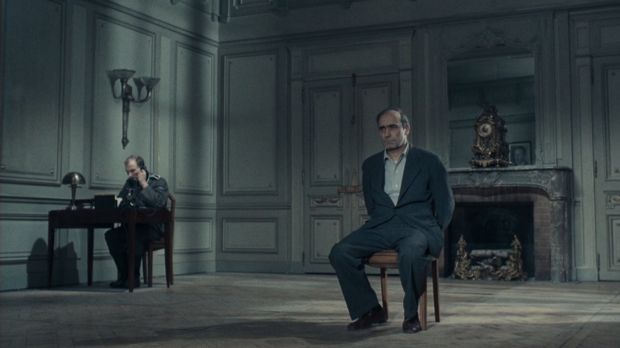
Being tied to a chair while watching is optional. The creepy stenographer in the corner is, unfortunately, not. He’ll simply appear in the room as the opening credits roll. It was quite unsettling.

In this movie, we follow various members of the French Resistance during the German occupation. Philippe Gerbier (Ventura) is arrested by the Gestapo after a betrayal. He manages to flee, and enacts his (quite practical and dispassionate) vengeance on the person who gave him up. Among his fellow Resistance buddies we find “Le Bison” (Barbier), “Le Masque” (Mann), “Ze Big Boss” (Meurisse), and… Mathilde (Signoret).
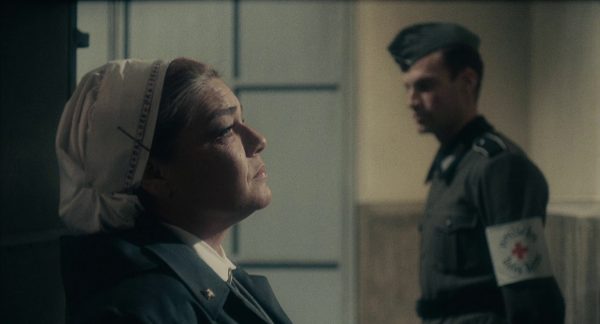
She might be Mathilde to you, but to us she will always be The Mistress of Disguise.

Other members lacking exciting code names include Jean François (Cassel) and the unfortunate Félix (Crauchet). Their missions are unglamorous and unromantic, and their actions seem motivated by a sense of what needs to be done rather than any ambition of glory or acclaim. And indeed, without giving too many spoilers, many of them will die in obscurity under false names with few or no one knowing what they did or what they sacrificed for the greater good (The Greater Gooood..).
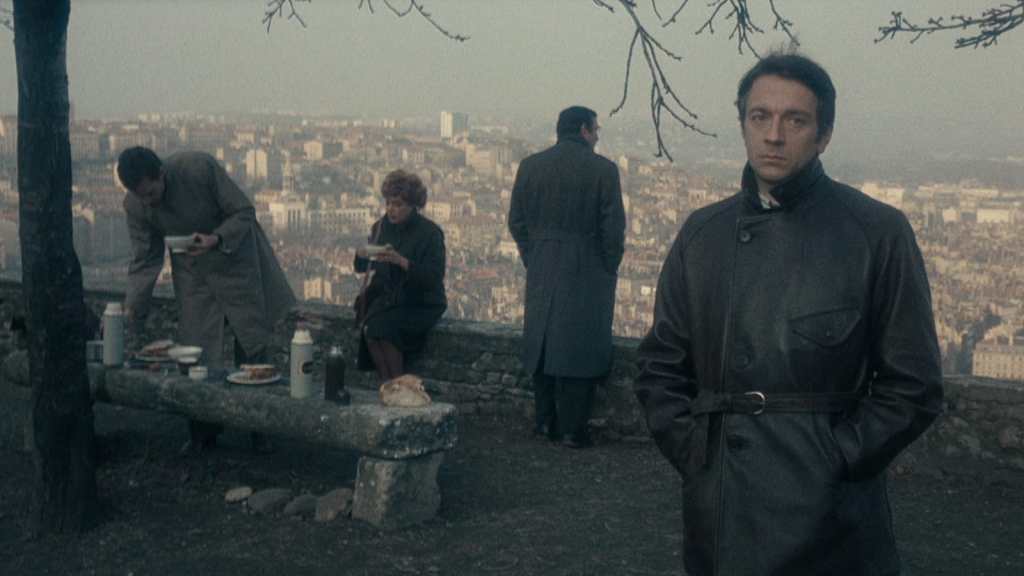
We’re just kidding. They all lived long, happy lives, and after the war frequently met for picnics. And to stare into the nothingness while trapped in the echo of the horrors that they lived through years ago and still relive in the dark of night… But mostly picnics.

Like we said, if you’re looking for a Nazi-ass-kicking action film à la Where Eagles Dare, The Dirty Dozen, or The Great Escape, this is not it. Army of Shadows has more in common with a spy drama than any of those, but not in any James Bondesque way. Despite its occasional action scene, it’s rather quiet and slow, but it packs an emotional punch.

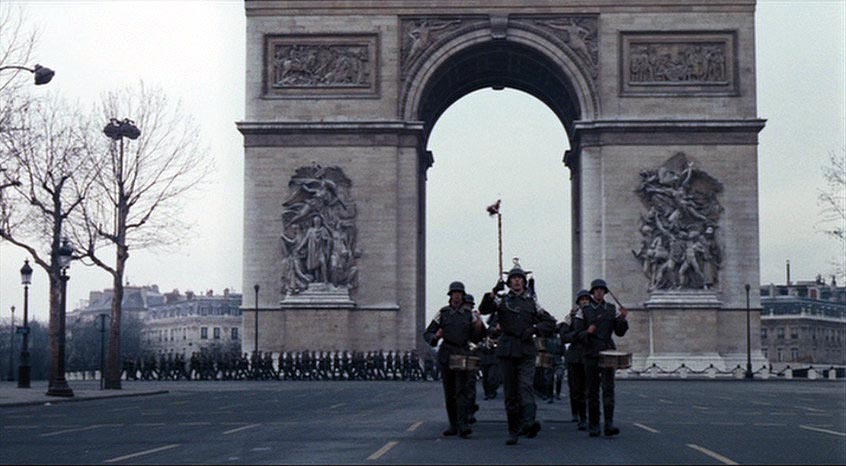
The chilling opening scene reminded us of Pretty Poison, where instead of a high school drill team marching during the opening credits (quite sinister in itself), there are Germans troops marching through the Arc de Triomphe (arguably a bit more sinister). The early execution scene sets the tone for the film – there’s no joy, nor any strong feelings of hatred or lust for vengeance here, just regret and somber, unavoidable reasoning.
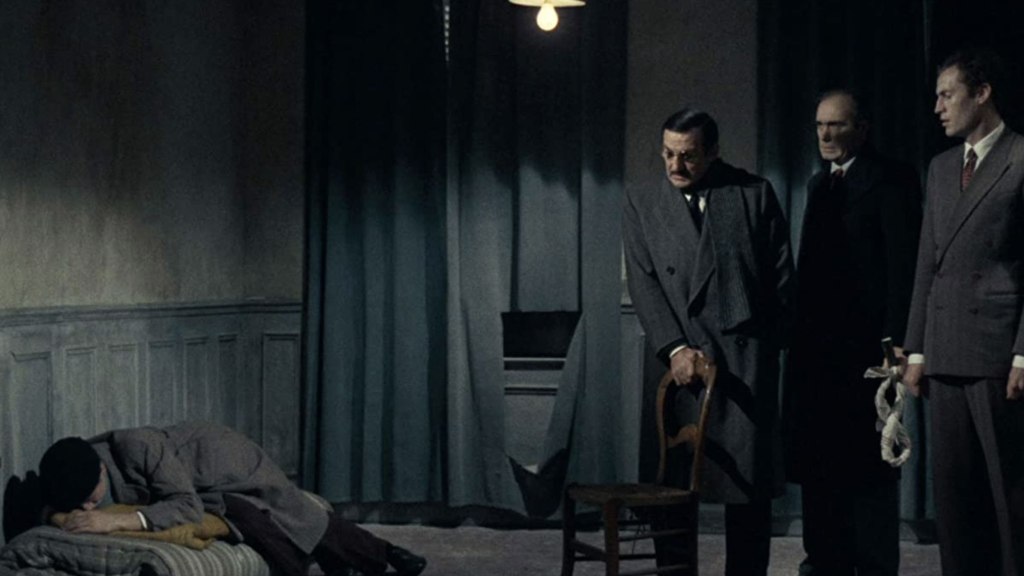
Honestly, we’d never before encountered the problem of what do you do when your safe house/execution place gets new neighbours and you can no longer shoot your victim due to the noise. It poses quite the conundrum. We’re glad to now have a frame of reference for when we’ll inevitably find ourselves in a similar situation.

The pace is slow, and there’s very little music/score, which adds to the sense of realism in contrast to the focus on action and heroism we’re used to seeing in movies set during World War II. Even Gerbier’s escape from the clutches of the Gestapo in the beginning is rather mundane – and probably a lot more realistic than more elaborate depictions of similar events in other movies. Not that this movie is devoid of action or heroism – there’s quite a lot, but it is often less flashy. The acts of heroism are even occasionally close to pointless (we’re looking at you, Jean François. Heroic though your actions were, one could argue that they were ultimately unproductive).
That being said, any mode of resistance is important, and empathy is never wrong. Let’s all agree that we don’t want a repeat of this scenario.

We loved Mathilde, the Brits in the loft, and the dispatcher on Gerbier’s flight back from London. Not to mention the oh so subtle ways we were told the characters had arrived in the UK – the Big Ben, red telephone boxes, and the British flag over the Houses of Parliament were all very vague hints that only the most discerning viewer would be able to pick up on. We also loved the clearly ’60s hair and make-up sported by several of the ladies (clear influences by the style of the time of production in historical films and shows are always fascinating to see). Overall, Army of Shadows was another movie we probably wouldn’t have picked up if it hadn’t been on the list, but one we very much enjoyed and that we’ve thought about frequently since we watched it.
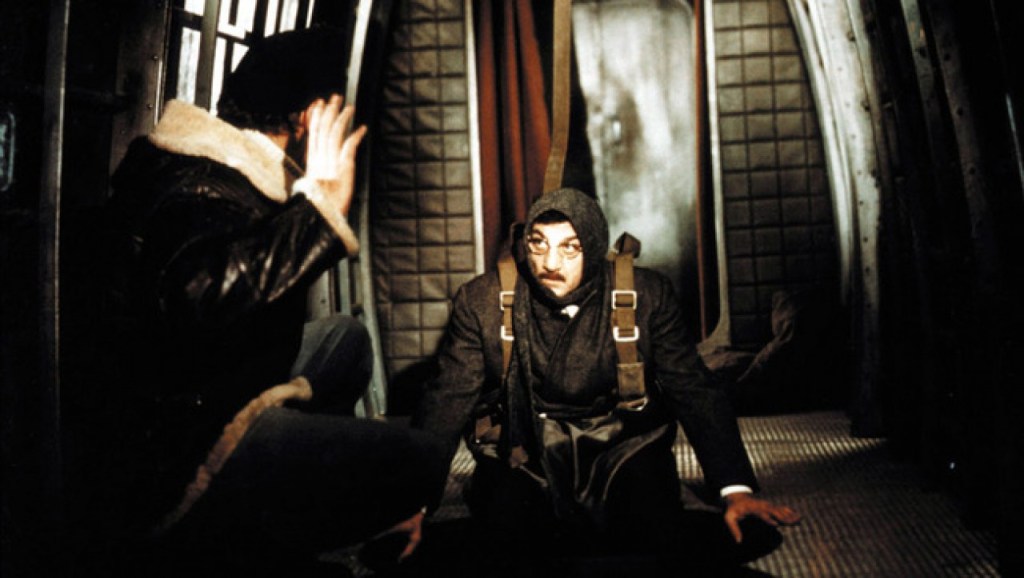
It’s not all bleak. For instance, the flight scene was hilarious!

What we learned: Resist! But also, sacrifices must be made when opposing a fascist regime…

MVP: Mathilde! We will hear no arguments! (And, sure, Gerbier as well, of course. Not to mention La Résistance. Everyone who fights back against oppression, really.)

Next time: Bob & Carol & Ted & Alice (1969)

#374 Where Eagles Dare

Watched: November 15 2025

Director: Brian G. Hutton

Starring: Richard Burton, Clint Eastwood, Mary Ure, Patrick Wymark, Michael Hordern, Donald Houston, Peter Barkworth, William Squire, Robert Beatty, Brook Williams, Derren Nesbitt, Ingrid Pitt

Year: 1968

Runtime: 2h 38min

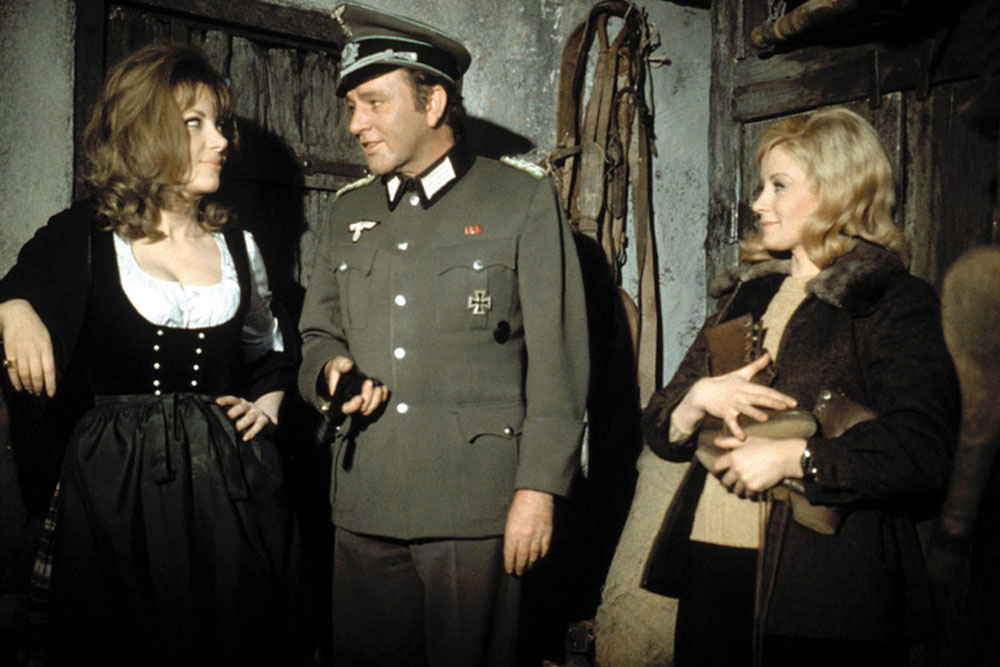
High in the Bavarian mountains, an American Brigadier General is being held by the Nazis as a POW. A team of British MI6 agents is formed and tasked with rescuing him before he spills important secrets. Led by Major Smith (Burton), they are joined by (smoldering) American Army Ranger Schaffer (Eastwood) and dropped off in the mountains from midair disguised as German soldiers.

“Ok, boys! Let’s practice. Repeat after me: ‘Hallo. Guten morgen. Bitte. Danke. Ich heiße. Auf wiedersehen. Ich möchte ein Bier. Tschüss.’ You got that? Great! Then I think we’re all ready. This should go smoothly.”

Now, you may think that this will be a straight forward let’s-break-into-the-castle-and-get-our-guy-and-go-home-again-lads kind of a story. But you would be mistaken. There are traitors and secrets and twists and turns galore! Double and triple crossings. Spies and lovers and friendships. And explosions. So. Many. Explosions.

Impressively, they managed to throw in a couple of competent and bad ass female characters as well. We approve.

Because of the many twists and turns, we don’t want to spoil anything by giving away too much of the plot. We’ll just urge you to watch this, because it is amazing. We have mentioned that we have been very pleasantly surprised by the westerns we’ve watched for the list, and the same goes for a lot of the war movies (those are six different links, btw. Don’t say we never do anything for you). This is not the first genre we’re instinctly drawn to (even though we grew up with a father who watched a lot of war movies and who also read the books they were based on), but we find ourselves enjoying them immensely.

Then again, any movie with an action sequence set on a cable car is bound to be a winner.

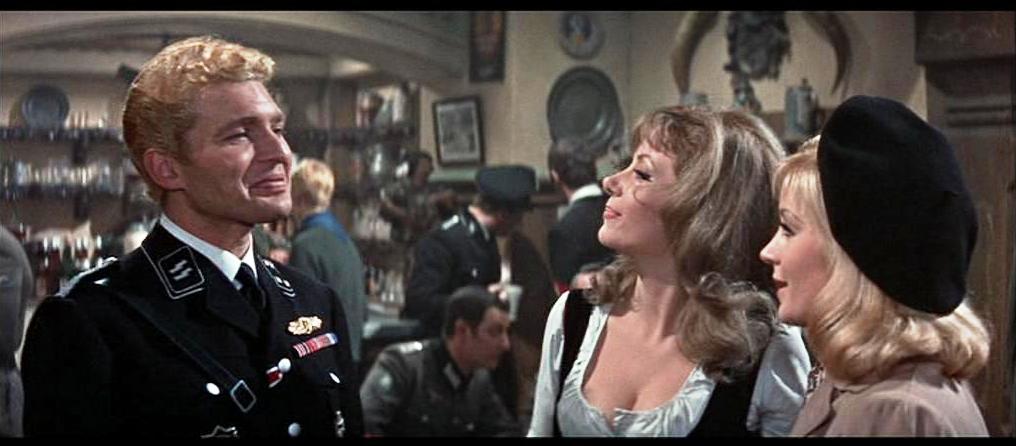
Where Eagles Dare is fun, exciting, entertaining and intricate, and also extremely stressful. It also features the most Gestapo guy that ever Gestapoed (Gestapod? Gestaped..?).

He’s giving 98% Gestapo with just a touch of Nigel from Top Secret (1984)

Both Burton and Eastwood are fantastic, as are the rest of the cast, but one could argue that the real star of the movie is Explosions™. Everything explodes. Did you know that German cars in the 1940s had built in explosives that went off randomly if they bumped into something? Or if they went down a steep hill? Or if the tyres stopped touching the ground for two seconds? Or if someone looked at it funny? We didn’t either until we watched Where Eagles Dare. Why they made them like that, we don’t know. Then again, we question a lot of choices made in Germany around that time, so this might have followed some inexplicable logic understood only by fascists.

Believe it or not, this is just a normal German car that was caught in a mild gust of wind. Our leading theory is that the cars were actually built by political prisoners who did what they could to defeat the third reich. Well done!

In addition to the frequently exploding cars, our heroes have brought enough dynamite to take down all of Bavaria, and they are not afraid to use it. There’s not a situation they face that can’t be improved with an explosion or two.

Although sometimes they use guns, just to mix it up a bit. It’s important not to become complacent.

We loved the actors, the characters, the many twists and turns, the balls-to-the-walls action, the gorgeous matte paintings, the sets, the stunts, the clearly ’60s hair and make-up, the cable car and all the burning cars. Not to mention the fact that Clint Eastwood, who looks about as American as it is possible to look, tries to pass for a German soldier. Now, it’s hard to pinpoint exactly what an “American” is supposed to look like, but he is it. You could look at that man completely out of any context, and 99% of people would go “Hey, look at that American guy!” (Then, most of them would add “He’s ridiculously handsome!” Especially if he smoldered at them.)

Pictured: obviously NOT a German

What we learned: Old timey movie kisses look incredibly uncomfortable. Also, Clint Eastwood is smolder incarnate.

MVP: Dynamite. And Clint Eastwood’s smolder.

Next time: Wild in the Streets (1968)

#373 The Thomas Crown Affair

Watched: November 7 2025

Director: Norman Jewison

Starring: Steve McQueen, Faye Dunaway, Paul Burke, Jack Weston, Nora Marlowe

Year: 1968

Runtime: 1h 42min

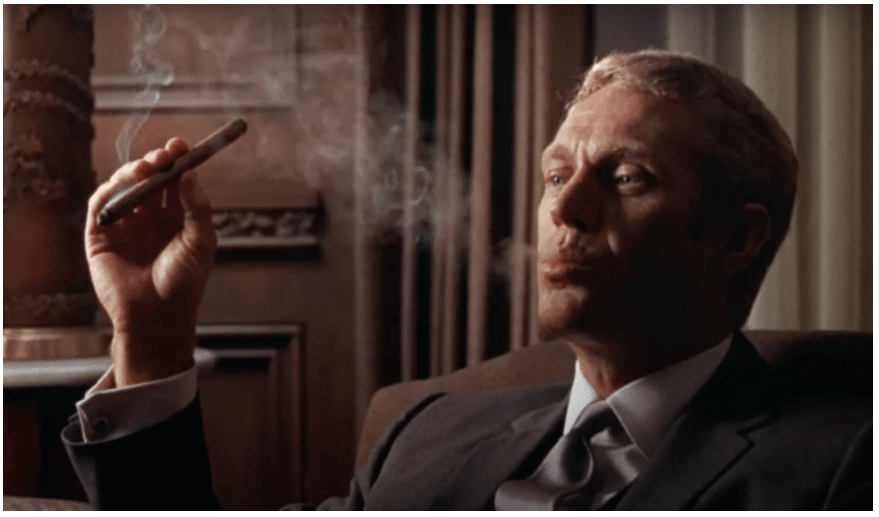
A heist is going down. And what a heist! There are several people in play, lots of phone booth coordination, heaps of money at stake, and a criminal mastermind at the reins. This mastermind is Thomas Crown (McQueen) – a rich business man stealing money basically for the hell of it, or out of boredom. Or to prove to himself that he is as smart as he thinks he is. But is he..?

Steve McQueen? More like Smuggy McSmugface, amirite? HAH!
We’ll see ourselves out…

The heist goes off fairly smoothly, with only one shot fired and no casualties. It leaves behind many frustrated men in suits, but sadly very few leads. Then, someone makes the excellent decision of bringing in insurance detective/glamourous super sleuth Vicki Anderson (Dunaway) to assist in the investigation. She gets to work and quickly narrows their suspects down to a certain Thomas Crown based on… well, we’re not quite sure. A hunch? A vibe? Wanting to bone him? The logic is not entirely sound, but at least it turns out to be 100% correct.

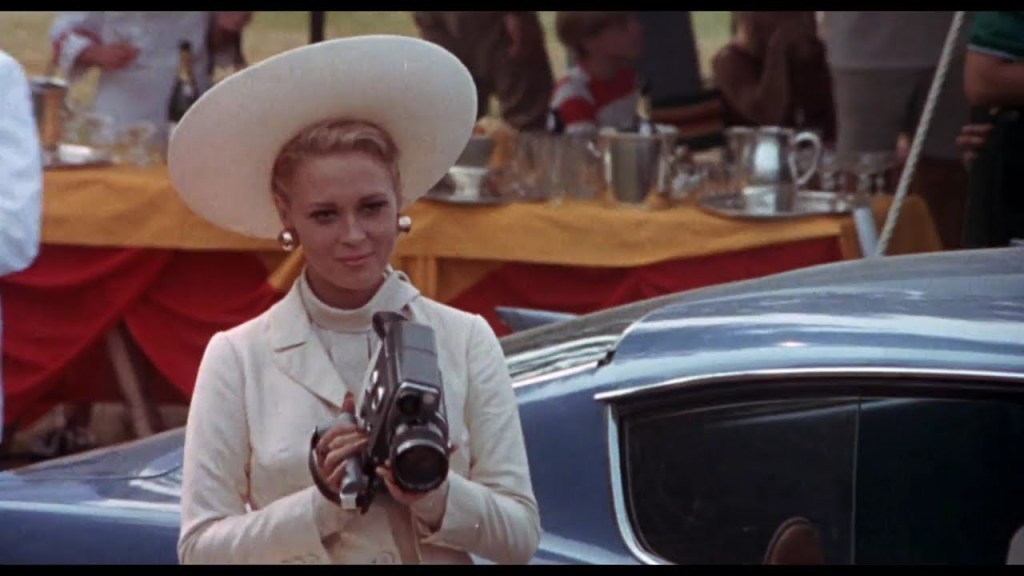
She then goes to work to catch her man. Her surveillance method of “bring a beast of a camera and then make eye contact with the target the entire time” is about as subtle as a freight train to the face

The only problem now is that they do not have any evidence to tie him to the crime. Luckily Vicki, passionately dedicated to her job, is willing to start a whole relationship with this man to prove her suspicion true. So their cat and mouse-/spy vs. spy-game begins.

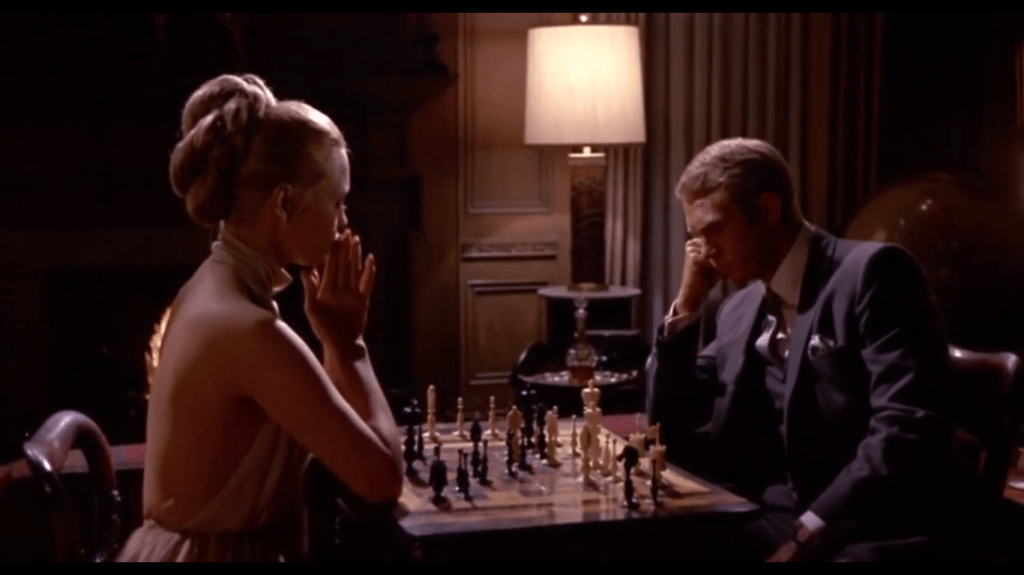
They literally play chess about things

This was a bit uneven for us – there were things we absolutely loved about The Thomas Crown Affair, and things we’re more unsure of. We loved Faye Dunaway, and Steve McQueen is always charismatic af. However, once their relationship began, the film sort of lost some of its nerve and tension. Don’t get us wrong – there were some great scenes between them, and we loved Vicki throughout the entire film. Especially her sense of self: “I know who I am. Don’t put your labels on me.”

And what she is is an icon. An icon with an impressive and extensive hat collection.

I suppose we just didn’t quite buy into her falling for a bored little rich man who robbed a bank just for the hell of it. Now, if he was a suave art thief or something, we’d be all for it! Stealing art or artefacts in the style of Pierre Despereaux is cool (in fiction we mean, nice police people. We would never promote criminal activity in real life). Stealing money when you’re already rich is just… tacky. The film also felt as though they skipped some very important steps in the narrative, particularly how the investigators figured out how the heist was orchestrated and how they ended up with Thomas Crown as a suspect.

Was it the short shorts? It was probably the short shorts. We suspect everything could be traced back to the short shorts…

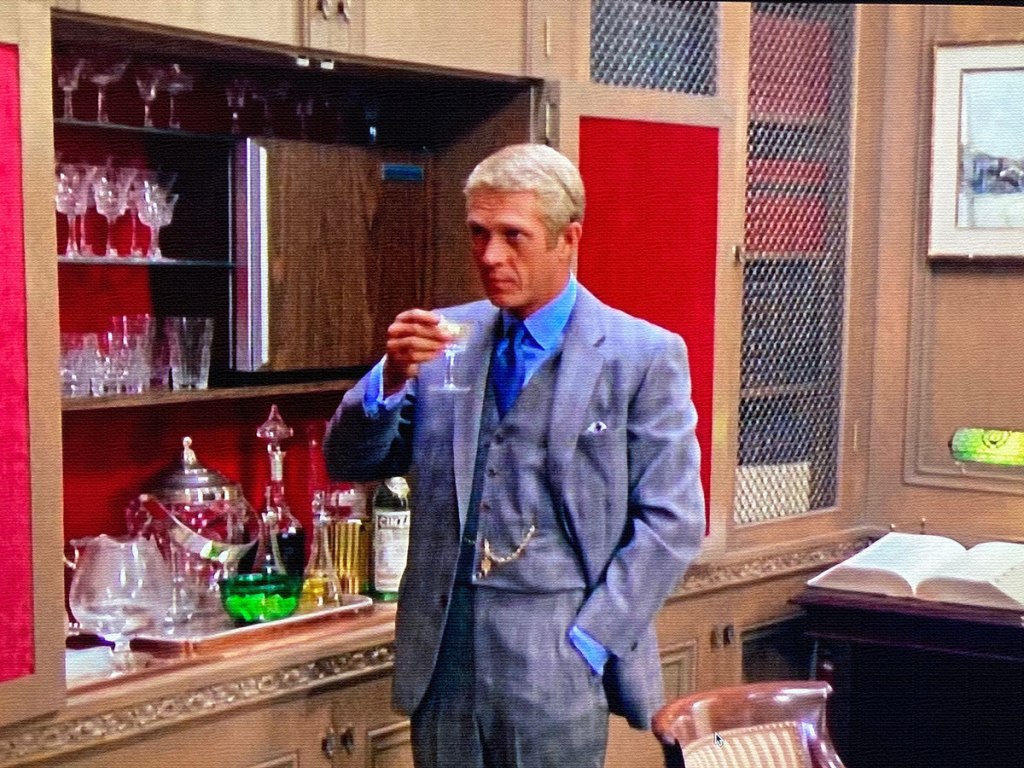
Still, we loved the stylish and cool heist in the beginning, the split screen which we also saw in The Boston Strangler (so hot in the ’60s), the built in wall bar with the fridge (we want one! Each!), Vicki Anderson – insurance sleuth extraordinaire, and the ending. There was something very satisfying about how they both stayed true to who they were in the end. Overall, we thought the first half was better than the last, but we had a very good time with this.

This! This is what we want in life! It even has a built in fridge!
Swanky man optional.

What we learned: It must be so hard to be rich and bored…

MVP: Marcie! For the vibes. And also the aran sweaters.

Next time: Where Eagles Dare (1968)

#369 The Boston Strangler

Watched: October 11 2025

Director: Richard Fleischer

Starring: Tony Curtis, Henry Fonda, George Kennedy, Mike Kellin, Hurd Hatfield, Carolyn Conwell, William Marshall

Year: 1968

Runtime: 1h 56min

From 1962 to 1964, Boston was terrorized by a serial killer who raped and murdered women, dubbed “the Boston Strangler”. Albert DeSalvo confessed to the crimes in 1965 and only three years later The Boston Strangler was released, detailing the crimes and the investigation. While this could have been a sensationalized and exploitative movie trying ot cash in on horrific events, it luckily comes across as a respectful and very accurate portrayal of a horrible case of serial murder.

It’s still gruesome – don’t get us wrong. Just not overly salacious.

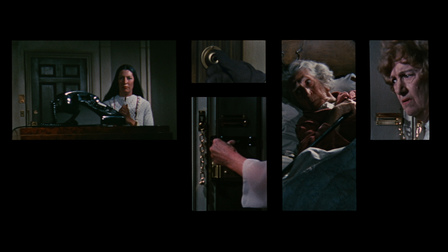
Right from the start, this drew us in. We loved the different angles/framing/multiple images (whatever we should call it – if you’ve seen the film you understand what we mean) used throughout the film. The first part of the movie depicts the investigation, and we really enjoyed having the focus on the investigators rather than the culprit – let’s highlight the heroes, not the monsters! We appreciated that the sexual violence suffered by the victims was only implied rather than explicitly shown. Fleischer manages to convey the horrific nature of the crimes without sexualizing the scenes, which is something more filmmakers should attempt at times…

This is what we mean by the whole different angles/framing/multiple image-thingy we mentioned. No idea what it’s called, but we loved it!

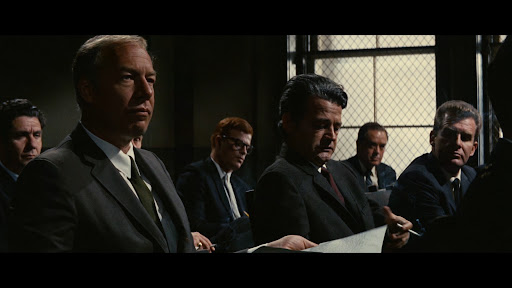
The main investigator, Phil DiNatale, is played by George Kennedy, which we have to admit took some getting used to. We found ourselves waiting for lieutenant Frank Drebin to come along and (hilariously) solve the crime… Instead, he is joined by John Bottomly (Fonda), the newly appointed head of the Strangler task force. It’s always beautiful to see when different branches of law inforcement manage to coordinate their efforts and come together to solve a case.

One might even say they formed some sort of… Police Squad!
…we’ll see ourselves out.

And effort was definitely made! We loved seeing a bunch of creeps being arrested and/or interrogated for doing creepy stuff. Now, we don’t mean to kink shame – you do you, boo – but once you make your kinks someone else’s problem without their consent, you deserve to be made (at least) as uncomfortable as the ones you drag into your sexual fantasies.

Although questioning a man for murder simply for owning the collected works of the Marquis de Sade might be overstepping a bit… Who doesn’t have that on their bookshelf?

Eventually, the POV switches from the investigation to the killer himself. We are brought along as DeSalvo (Curtis) tricks his way into women’s apartments where he sexually assaults and strangles them. But we also get to see his family life, as he was married and had young children at home. Finally, the last part of the movie is focused on his confession and his mental state.

His seemingly normal and happy family life somehow makes the crimes even more unsettling… (Also, side note, his wife looks like Liv Ullmann… Well, Carolyn Conwell, the actress, did at least.)

There’s so much here we loved. Visually, it’s very stylish and cool, and we feel it tells the story without exploiting the victims too much. The Boston Strangler has no score and the silence works really well. It’s also extremely quotable, and we enjoyed the critique of the inherent violence in U.S. society. The pacing is a bit uneven, and the last act felt a bit long and is less engaging than the first part. Still, the final reenactment by DeSalvo/Curtis is very chilling and an unnerving end to an excellent movie.

Turns out making him take a long hard look in the mirror actually had the desired effect. Have we tried this in other interrogations..? Like, really tried it? Has this solution been staring us in the (mirror image of our) face all this time?

Ok, we know this is dodgy, but we love serial killer stories… What can we say – we’re white women, it’s our culture. So we know quite a lot about this case, and as far as we can remember The Boston Strangler is a very accurate depiction of events. There has been a lot of speculation about DeSalvo’s guilt though. Part of his confession contains details that he would be unlikely to know unless he was there, but other in other parts he gets very basic things wrong. However, a few years ago DNA evidence proved his involvement in at least one of the rapes and murders, so he was certainly not entirely innocent. The question remains though – was he the only strangler? Or were there several killers stalking the women of Boston? We may never know for certain.

We only know that thirteen women between the ages of 19 and 85 were sexually assaulted and brutally murdered, possibly by the same perpetrator…

What we learned: As fascinating as we admittedly find them, serial killers are pretty much pathetic in real life…

MVP: Probably Edward W. Brooke (Marshall). Assembling a task force is never wrong. Shoutout to DiNatale and Bottomly as well though!

Next time: The Devil Rides Out (1968)

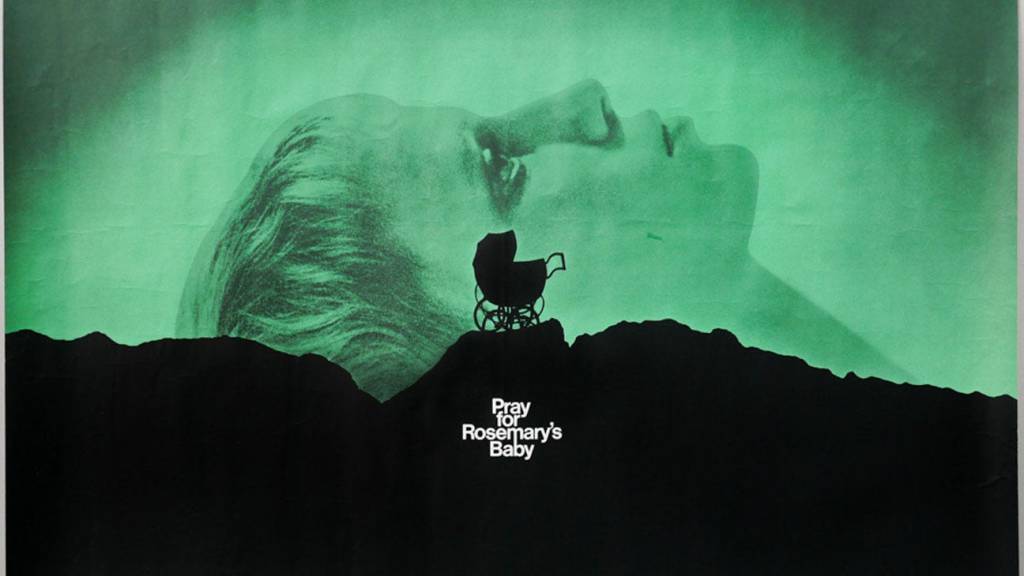
#367 Rosemary’s Baby

Watched: October 6 2025

Director: Roman Polanski

Starring: Mia Farrow, John Cassavetes, Ruth Gordon, Sidney Blackmer, Maurice Evans, Ralph Bellamy, Patsy Kelly, Emmaline Henry

Year: 1968

Runtime: 2h 17min

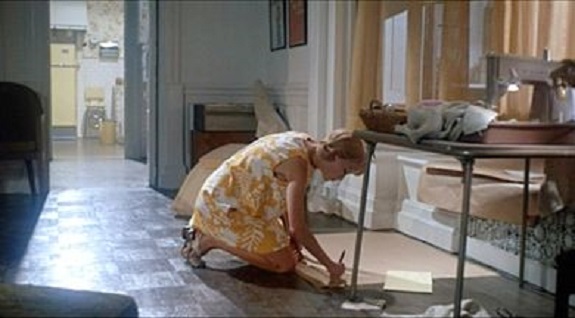
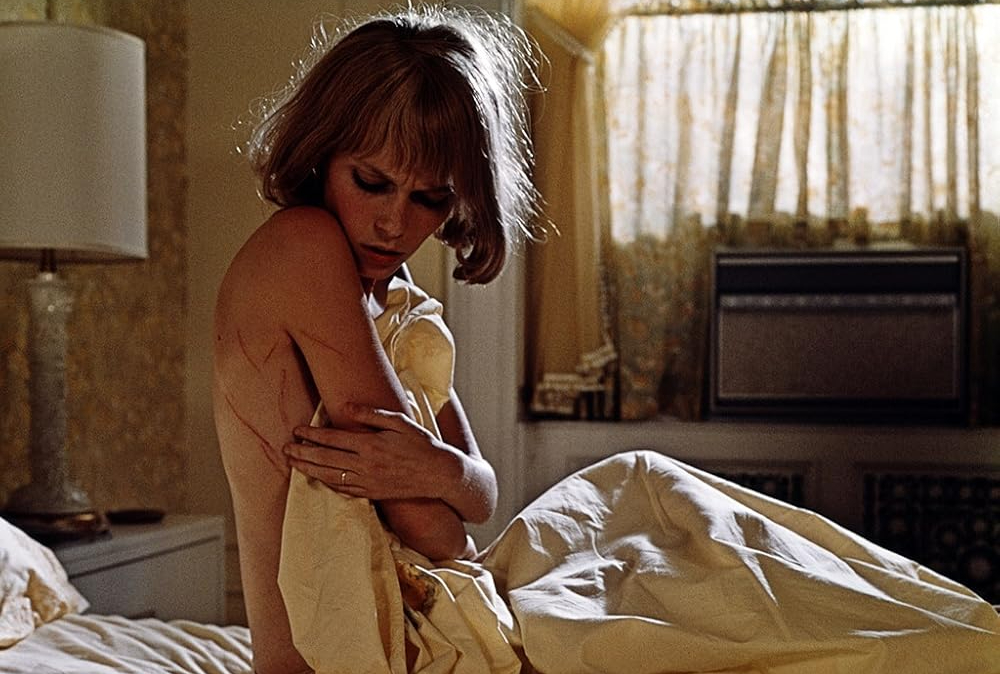
Rosemary Woodhouse (Farrow) and Guy (Cassavetes), her aspiring actor-husband, move into a beautiful apartment in an old, infamous apartment building, “The Bramford.” They then proceed to completely ruin the vibe by painting everything white.

Crime in progress. Viewer discretion is advised.

From the start, the omens are ominous. There are cryptic writings left by the previous tenant (an old lady who died, though not on the premises), closets blocked by furniture, the brutal death (suicide..?) of another tenant, and chanting coming through from the neighbours’ place. Add to that the Bramford’s reputation for witchcraft, baby-eating, creepy sisters and scary men, and we can sort of understand why Rosemary decided to brighten the place up. But we can never forgive.

“I’m not saying all I’m about to subject you to is punishment for destroying this amazing place (albeit with my apparent blessing), but I’m also not saying it isn’t…”

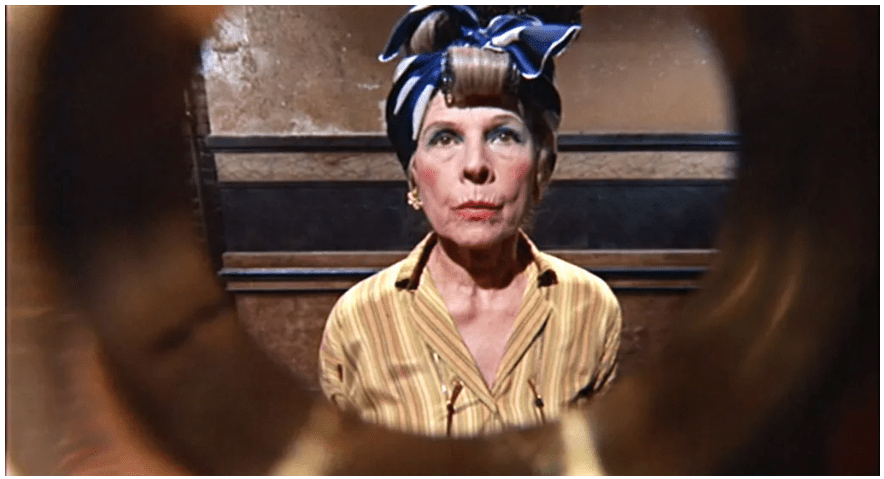
Not long after moving in, Rosemary is invaded by dreams or visions of nuns in her sleep, and by nosy neighbour Minnie Castevet (Gordon) in her waking hours, both equally distressing. Being a polite young woman, she accepts Minnie’s first invitation to dinner, and to all of their surprise, Guy takes a fancy to Roman Castevet (Blackmer). Soon, the neighbours are entangled in their lives, and Rosemary has lost any sense of peace, quiet and privacy she may have otherwise enjoyed in her huge apartment.

It is a truth universally acknowledged that nosy neighbours must be in league with the devil

On paper, the Woodhouses are on an upward spiral – Guy’s luck as an actor takes an unexpected turn as a rival suddenly goes blind which gives him a leading role in a play, and Rosemary becomes pregnant after a creepy night of coersion, marital rape and even more disturbing visions than the other disturbing visions she’s been having since moving in. What’s the problem? They wanted a child, right?

“I didn’t want to miss baby night. A couple of nails were ragged.” “You? While I was out?” “And it was kinda fun – in a necrophile sort of way.” – Actual quote from the movie… Guy has bigger problems than his deal with the devil.

The claustrophobic atmosphere keeps building throughout the pregnancy. Guy and his new besties, the Castevets and their weird friends, control what she eats, which doctor she sees, where she goes and pretty much everything in Rosemary’s life. In addition, Guy gaslights, guilts and manipulates his wife to comply with pretty much everything they put her through. She does push back though, and occasionally succeeds. A vindicating scene is her party for her old friends, including her supportive girl squad who puts Guy in his place for an evening, but her victories are small and short-lived. She is also way too trusting of her husband and shares all her fears and suspicions about the neighbours with him. As if it isn’t perfectly clear that he is in league with them!

You should have pulled that knife out the second he insulted your haircut

Rosemary’s Baby is one of those movies that we have seen several times, and it just gets more sinister and frustrating every time. Rosemary is a precariously balanced character who is potentially hard to like, but Farrow makes her very charming and likable, and manage to balance her out: had she been more assertive, she might have gotten away from the situation. However, had she been less assertive, we would have lost some sympathy for her. She has some defiance in her – she tries several times to rescue herself, she just never takes it far enough. In her defence, we guess it takes a while to get used to the idea that your husband is in league with evil baby-killing witches and that everyone around you is part of a conspiracy to steal your child.

It’s never a good idea to befriend your neighbours. We avoid ours like the plague, and have yet to be impregnanted by a single demon!

It’s a great movie with so many amazing details that we can’t possibly list them all. The fashion, the slow escalation, Mrs Castevet’s table manners, the use of scrabble pieces, and Rosemary’s gradual evolution from child to adult woman are all great. Turns out the men in this (with the notable exception of our man Hutch) are even worse than we remembered from previous viewings – especially Guy and the two doctors. Take out the entire antichrist subplot, and we’d still have an infuriating movie about the lack of female autonomy, as well as domestic abuse being perpetuated by male professionals who refuse to take women seriously. The literal devil is more of an afterthought to this very real threat. (Not that the devil isn’t a real threat… Please don’t come for us, Satan! We assure you we have a healthy fear and respect for you and your minions.)

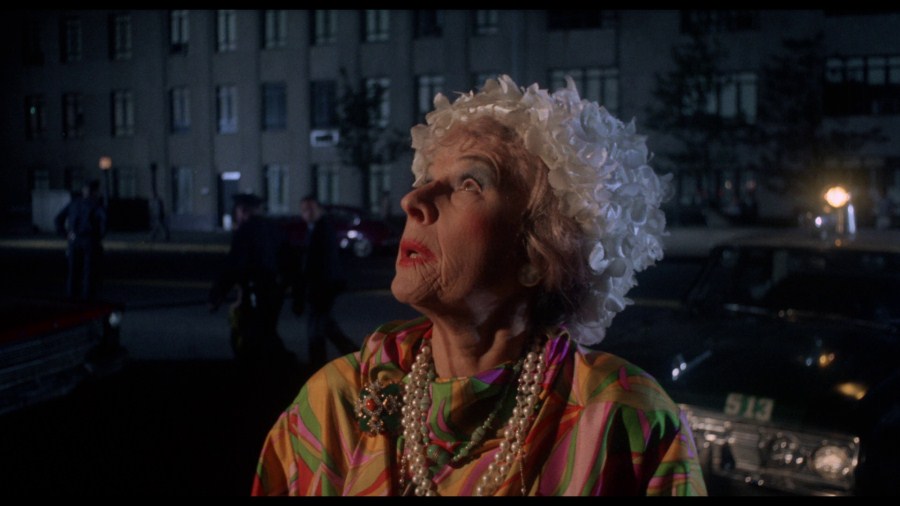
Sidenote: do we think Aunt Glady in Weapons (2025) was inspired by this gal..?

What we learned: Never be a Catholic, no matter how lapsed. It’s always the Catholics who are possessed or tricked into giving birth to devils. Also, when in trouble, call the girl squad! And don’t trust your ambitious husband who thought it was perfectly acceptable to rape you (or, as it turns out, have you raped) in order to further his career. And who also thinks going through a hard pregnancy and then giving birth at home only to be told the baby died is the same as “no one gets hurt.” Damn, there are a lot of lessons to be learned from this movie.

MVP: Girl Squad! Or, they could have been, had she contacted them earlier… Hutch, then. RIP.

Next time: Spirits of the Dead (1968)

#366 Pretty Poison

Watched: September 26 2025

Director: Noel Black

Starring: Anthony Perkins, Tuesday Weld, Beverly Garland, John Randolph, Dick O’Neill, Clarice Blackburn

Year: 1968

Runtime: 1h 29min

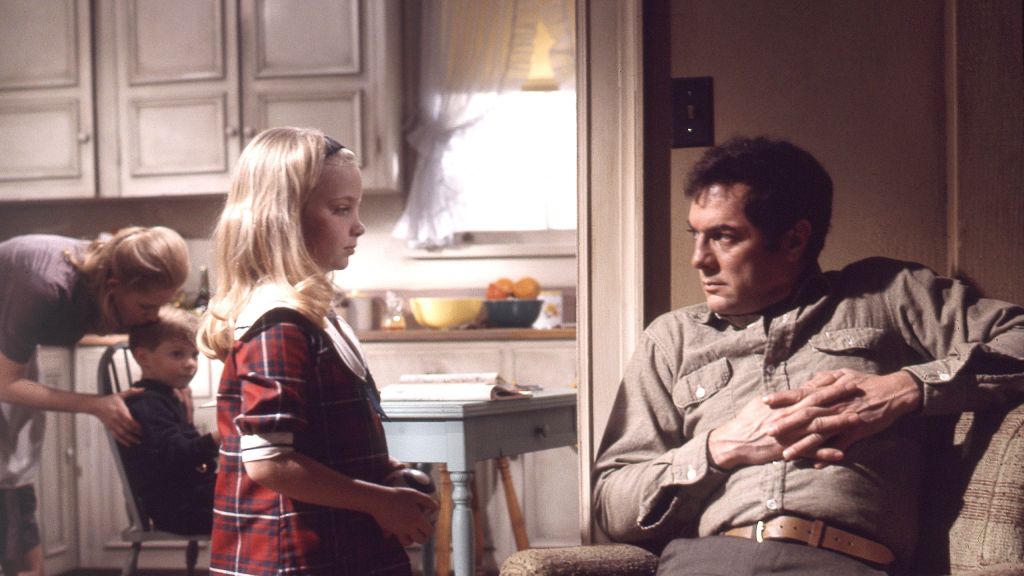
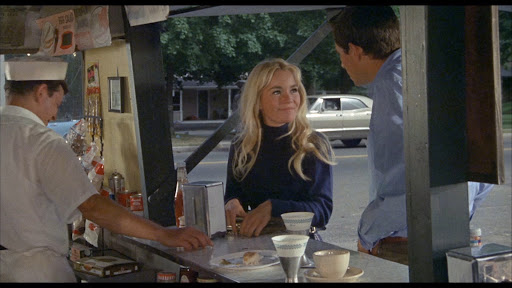
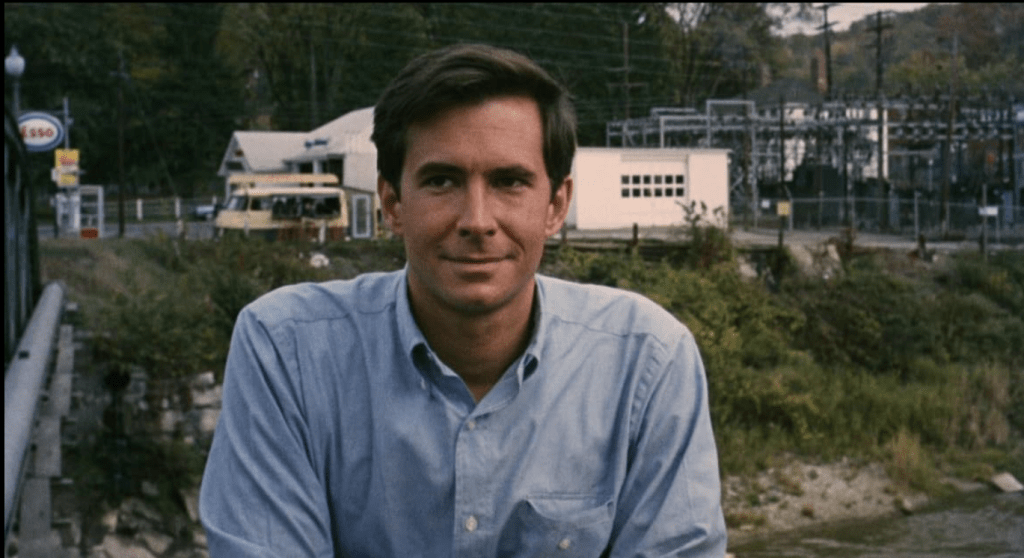
Dennis Pitt (Perkins) is released from the psych ward where he has been treated for “dangerous fantasies.” Foreshadowing, thy name be… well, “delusional fantasies,” apparently. Deemed ready to rejoin society as a productive member, he promptly starts his new life by creeping on a high school drill team, specifically 17-year-old Sue Ann Stepanek (Weld).

The title sequence really should have been our first hint that this will not go the way it initially seems. Mea culpa.

He eventually plucks up the courage to approach her, but not as himself. Oh no, under the guise of being a secret agent – one in need of an assistant on his top secret, not at all fake mission – he tricks her into joining him to expose the environmenal crimes of the factory where he (actually) works. However, he may have bitten over more than he can chew with innocent high schooler Sue Ann.

“You work for the CIA but they do not provide you with a car, any equipment or a partner for what you say is a two person job? That does not sound suspicious at all. Hopefully, neither is my eagerness to join forces with you.”

We went in blind on this one, and we definitely recommend it – this was a wild ride from start to finish. In fact, you may want to watch it before reading this review… Pretty Poison is less well known than several other dark comedies from the era (at least to our knowledge), and it deserves a wider audience. Perkins is disturbingly good at being innocent and creepy at the same time, a perfect Dennis, and Weld is charming, chilling and chaotic as Sue Ann.

Additional shoutout to Perkins’ ability to look simultaneously 20 and 40 years old. We have absolutely no clue how old his character is supposed to be…

To us, it’s unclear how much of his fantasies and lies Dennis actually believes, and how much is just a way to manipulate a high school girl into a relationship with him. Whether or not he believes his own fantasies, we cannot escape the fact that he drugs and rapes Sue Ann, and then convinces his case officer to let him stay after breaking his parole because “he’s in love.” With a child. And that is apparently a good thing. What a world.

“I know I skipped our weekly meeting and moved away, thus breaking the conditions of my release, but you see I have met and fallen in love with a teenager, who I have convinced that I am a secret agent in dire need of help on my mission, help only a high school girl can provide mind you, and I have even tricked her into sleeping with me and I think I’m in love and you know that love is the great cure-all, so I clearly will not be a threat to society anymore!” “Well, why didn’t you say so? Go on and enjoy your life, my lad! I see no red flags here.”

Despite the sinister nature of Dennis’ manipulations and actions (regardless of his intentions and possible delusions – his reactions towards the end make us lean towards him being a manipulator and complusive liar rather than a mentally ill man who actually believes his own stories), things are not quite what they seem, and the twists and shifts in power dynamics make this a movie worth watching. The increasingly atonal march that keeps playing throughout the movie is a great illustration of Dennis’ breaking psyche, and we loved both their performances, Sue Ann’s car, Dennis’ landlady Mrs Bronson (Blackburn), and the dark humour which occasionally made us laugh out loud. Overall, a great watch.

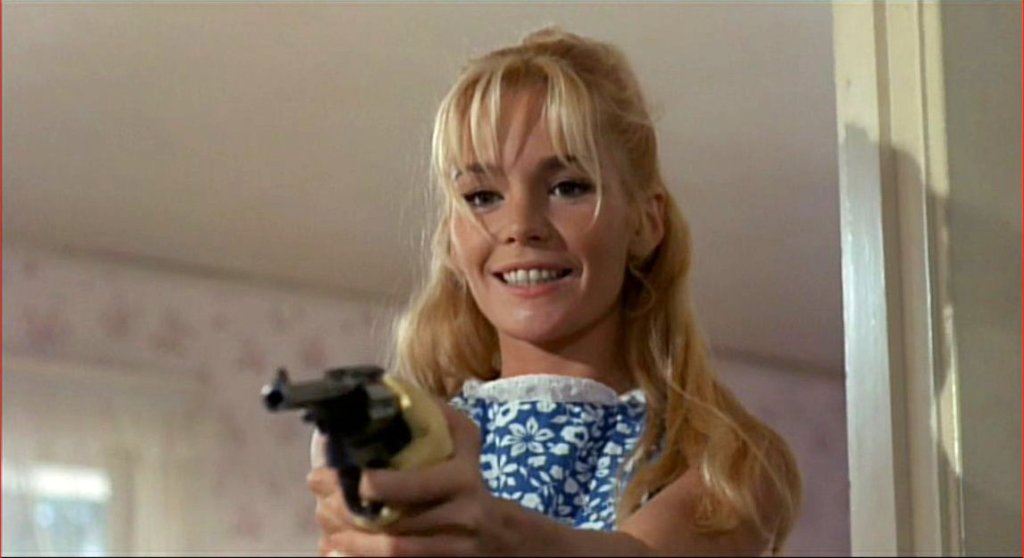
Dennis is about to learn a lesson for the ages: nothing is scarier or more dangerous than teenage girls. This goes double for the pretty and popular ones…

What we learned: Don’t be fooled by a pretty face. Or a clearly fake cover story of spies and secret agents… And for god’s sake – don’t let your unstable, delusional ex-patients break all the rules of their parole because they enter a relationship with a minor! That is not a good sign!

MVP: Mrs Bronson. We just enjoyed her whole vibe. Or Sue Ann. What a ride!

Next time: Rosemary’s Baby (1968)

#349 Bullitt

Watched: August 20 2022

Director: Peter Yates

Starring: Steve McQueen, Jacqueline Bisset, Robert Vaughn, Don Gordon, Robert Duvall, Simon Oakland, Georg Stanford Brown

Year: 1968

Runtime: 1h 54min

Happy New Year guys. It’s been a minute. For reasons. But like us, Edgar has been busy editing the list and adding lots of new titles! Loads of juicy bits for us to bite into. Yummy! Thus, we shall once again pick up the mantle of chronicling our odyssey through the list (provided we don’t get too distracted by side quests again). Allons-y!

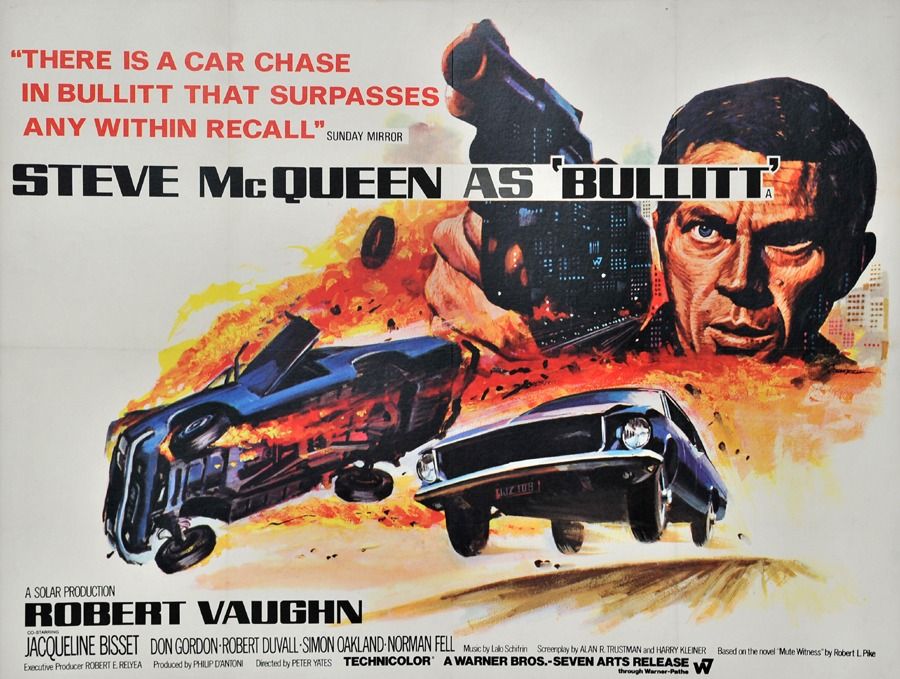
That tagline tho. Is the Sunday Mirror impressed? Awed? Just informative? How far back can they recall? The public needs to know!

We’ll pick up (sort of) where we left off, with Peter Yates’ Bullitt (although it has jumped from #305 to #349. Which means that while you may have thought we took a year’s hiatus, we actually managed to do 44 films. In a strange, but also very real, way. For an explanation of how we deal with numbering, read here).
In San Francisco, Lt. Frank Bullitt is tasked with keeping star witness and former mobster Johnny Ross safe for the next 40 hours, until he is scheduled to testify in a hearing which is supes important, for a dodgy politician named Chalmers. It’s a whole thing.

“You see, the trick behind a successful political career is to really accentuate your chin in conversation. Like this. Try sticking your jaw out a bit more when speaking and you’ll find that people will soon see you in a completely different light!”

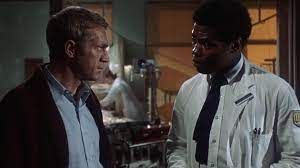
Bullitt and his men fail miserably and Ross is shot on the first night. He survives for a bit in hospital, but when he finally bites the dust Bullitt teams up with his surgeon to hide the body for a bit so that he can keep investigating the murder. With both Chalmers and Captain Bennett putting the pressure on him, our hero must solve the mystery and complete his investigation while he avoids being murdered and stuff.

“I’m off to avoid being murdered. And stuff.” (Possibly actual quote)

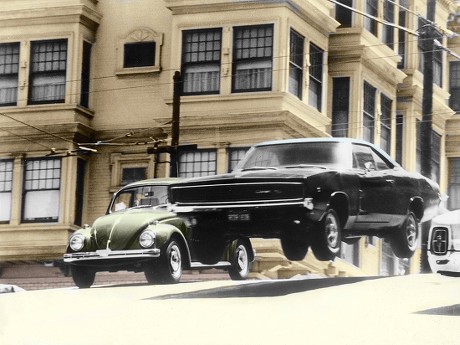
Bullitt is a violent action thriller, and the violence comes in short, quick increments, making it all the more effective. It also has an iconic car chase (some might even say it “surpasses any within recall”) in the hilly streets of San Francisco (where both the good guy and the bad guys are inexplicably outrun by an unassuming green beetle on several occasions), and a climactic foot chase in an airport to round it all off. Steve McQueen, a personal favourite of Sister the Youngest, is perfect in the title role. Very much the strong, silent type, his intensity makes him believable as a cop who will stand up to his superiors and do what’s right.

Seriously – the beetle keeps popping up everytime they’ve rounded a corner. It might be a Tardis.

We loved McQueen’s cardigan game (cardigame?), the very ’60s soundtrack, the nurses’ headgear (how did anyone ever think that was practical?), Eddy’s entire look (choices!), the African American surgeon (progressive for the time? Or do we only think it is because things are still so shitty in the world? God, that’s a very depressing thought, isn’t it..?) the chases, the murders, the mystery and the mayhem. And Steve McQueen’s absolute coolness. That man really knew how to work the silences.

Don’t be fooled by the cardi I’ve got, I’m still, I’m still gonna shoot you in the face ’cause I’m a bad motherfucker

What we learned: You work your side of the street and I’ll work mine.

Next time: Coogan’s Bluff (1968)

#299 The President’s Analyst

Watched: May 24 2021

Director: Theodore J. Flicker

Starring: James Coburn, Godfrey Cambridge, Severn Darden, Joan Delaney, Pat Harrington Jr.

Year: 1967

Runtime: 1h 43min

Source

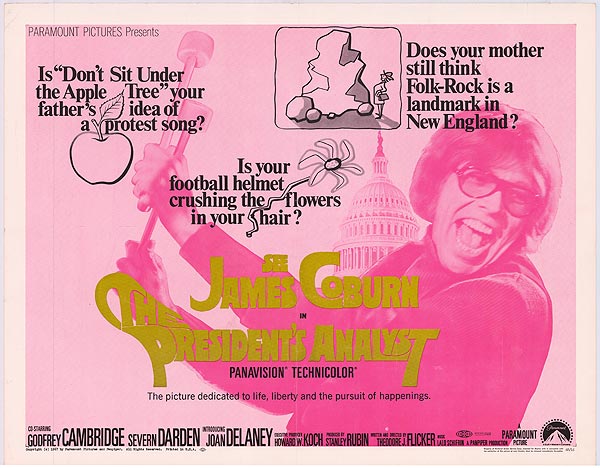
Dr Sidney Schaefer (Coburn) is recruited to be, as the title suggests, the President’s psychoanalyst. And boy does the President need it! Schaefer is conveniently moved to a new home with a secret tunnel connecting it to the White House, meaning that his new patient can call on him at all hours of the day and night. And he does.

Who wouldn’t want this to be the face they see morning, noon and night?

Cushy or not, the job is top secret and totes private, so Schaefer cannot vent to anyone about the stress and pressure of his new position, and this soon starts to tear on his own psyche. He begins to see conspiracies everywhere – even suspecting his new girlfriend of spying on him.

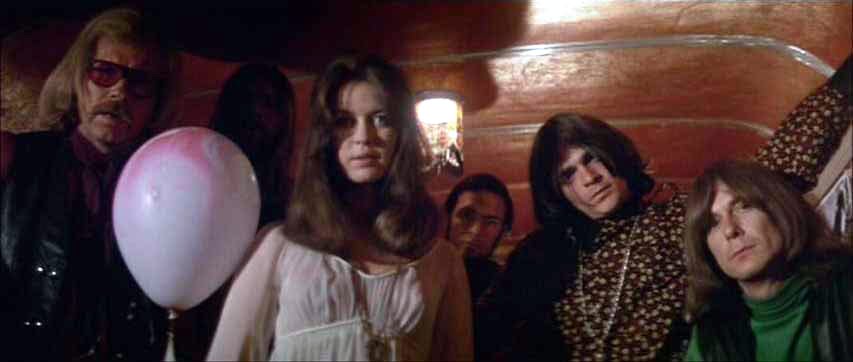
“Leave your girlfirend, your friends and your family. Come with us. We’re safe. We’re good. We’re not going to stare at you while you sleep and try to steal your soul.”

Turns out he’s right all along! There are a whole bunch of agencies out to get him, such as the CEA, the FBR, the KGB and, worst of all, the TPC! How is a poor psychiatrist supposed to get out of this mess?

The way we all get out of scrapes: with the help of a gun-toting, trigger happy, all-American family with excellent fashion sense, of course!

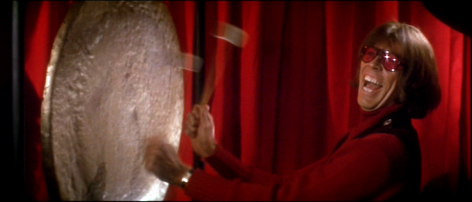
This movie is hilarious. Ok, it’s very, very silly, but if you’re in the right mood it’s great. The sixties are truly swinging in this comedy/thriller/sci-fi, and Coburn is swinging along. Despite his strife, he seems very jolly and happy all the time – he handles everything thrown at him with ease. He appears to be especially delighted during his stint as a gong player in a hippie band while on the run.

“I cannot believe I wasted my life with a good education and the pursuit of a career! Stick it to the MAN!”

The quintessential American Family™ the Quandrills are also among our favourites, but what we enjoyed the most about this movie were all the different agencies and their relationships with each other. The agents and spies from the FBR, KGB, TPC, CSS, CEA, etc. tend to bump into each other so often that they’re all old friends – especially Masters (Cambridge) and Kropotkin (Darden), CEA and KGB, respectively. Their scenes together are easily the best parts of the movie. We also enjoyed the piles of dead assassins and spies. Mass murder is hilarious (in the right context)!

Also, phone companies are evil. But we already knew that.

What we learned: Are you paranoid if they’re actually out to get you?

Next time: The Producers (1967)

#295 Robbery

Watched: March 30 2021

Director: Peter Yates

Starring: Stanley Baker, Joanna Pettet, James Booth, Frank Finlay, Barry Foster, William Marlowe, Clinton Greyn, George Sewell

Year: 1967

Runtime: 1h 50min

Source

A bomb is planted in a car. We follow it through the streets of London. When the countdown reaches zero, instead of an explosion, gas is released and knocks out the driver and his passenger. Enter our heroes/gangsters in their fake ambulance. And that, our friends, is how you kidnap someone in broad daylight!

“Heigh ho, heigh ho, it’s off to rob we go! We’ll get some cash to build our stash, heigh ho, heigh ho!” “Come on guys! Join in! Remember we have that recital on Monday.”

Source

But even a well-planned and perfectly executed heist is not foolproof. The police are onto them, leading to an adrenaline-filled and insane car chase. After they get away (spoiler! Sorry!) and have cooled down a bit, it is time to plot, plan and rehearse the actual heist – one very much inspired by the Great Train Robbery of 1963.

“Actually, this is all just an excuse to show off our new range of dapper outerwear: The Heist Line™ – available now in a variety of styles and colours, such as Blend-in Beige™, Camouflage Camel™, and Blot-out Black™. Not to mention the highly sophisticated Covert Cream™.”

Source

Robbery is very much in the tradition of Topkapi, Rififi, and even Gambit. There’s an elaborate scheme which has been planned to the last detail, there’s a motley yet lovable crew of misfits – each hand picked for their job, and there’s a lot that could go wrong. There’s also a kinda, sorta love story here, but honestly it seemed a bit forced. It certainly wasn’t necessary for the plot.

Now, we all want more women in film, and more good roles for women, but this subplot felt a bit unnecessary. Not because of the lovely Joanna Pettet though – she’s fantastic. Here pictured in Veiled Viridian™.

Source

Our favourite scenes were the opening heist and the subsequent car chase, as well as the prison break. We also loved the meticulous planning and the main heist, of course. Robbery touches on most clichés within the heist movie genre, but it does it well and it’s thrilling from start to end, so we have no complaints.

“I see you went for the Obscure Oxblood™ with the Inconspicuous Ivory trim™. Brave choice!”

Source

What we learned: Our money’s on the pill. Also, use the discount code HEIST10 for 10% off of all items in Mysterious Mauve™

Next time: The Dirty Dozen (1967)

#291 Point Blank

Watched: January 23 2021

Director: John Boorman

Starring: Lee Marvin, Angie Dickinson, Keenan Wynn, Carroll O’Connor, John Vernon, Sharon Acker

Year: 1967

Runtime: 1h 32min

Source

Walker (Marvin) is double-crossed (by his wife and best friend, no less!), shot and left for dead during a heist at the abandoned Alcatraz prison. He somehow survives and escapes, and is now determined to get his $93 000 back from “the Organization.”

“I AM Judge Judy and executioner!”

Source

He kills his way through a bunch of crooks and crime bosses, outsmarting them at every turn, all the while repeating his mantra of “I want my money.” Which, spoiler alert, he never gets. But he manages to fuck enough shit up that the people who stole from him won’t be able to enjoy it either. Which is a sort of a win itself, we guess. Although not a very satisfactory one.

About as satisfactory as emtying your chamber in the unoccupied bed of your treacherous ex-wife. We assume. We’ve never experienced the former as all our revenge plots have gone off without a hitch.

Source

As is tradition, in between kicking ass and taking names, he manages to entangle himself with a Dame, in this case his wife’s sister Chris (Dickinson). Keep it in the family. Smart man.

“I cannot believe my own brother-in-law is all the milkshake brought to the yard. Step up your game, milkshake!”

Source

We loved the sort-of-non-linear storytelling, Lee Marvin’s strong silent man routine, Angie Dickinson’s… Angie Dickinsonness, Lynne’s monologue when confronted by her “late” husband, and of course we’re suckers for a good revenge story.

“If you think about it, I’m the real victim here. I mean, I had to watch you die. Do you have any idea how hard it was for me to backstab you like that?”

Source

Our pet theory: Walker is a terminator. His escape from certain death, glitches in memory/patchy, non-linear thinking, and single minded determination to achieve his agenda are all testimony to that. Or, he is possibly just a very goal-oriented man. Either way Point Blank makes for a very entertaining watch, with its noir and French crime film influences and bad ass protagonist.

“I’ll be back. To watch the T-Birds beat the Scorpions in a drag race…”

Source

What we learned: If you’re going to double-cross and kill someone, make sure they’re actually dead. Also, just pay the man his money!

Next time: Poor Cow (1967)